Pruning
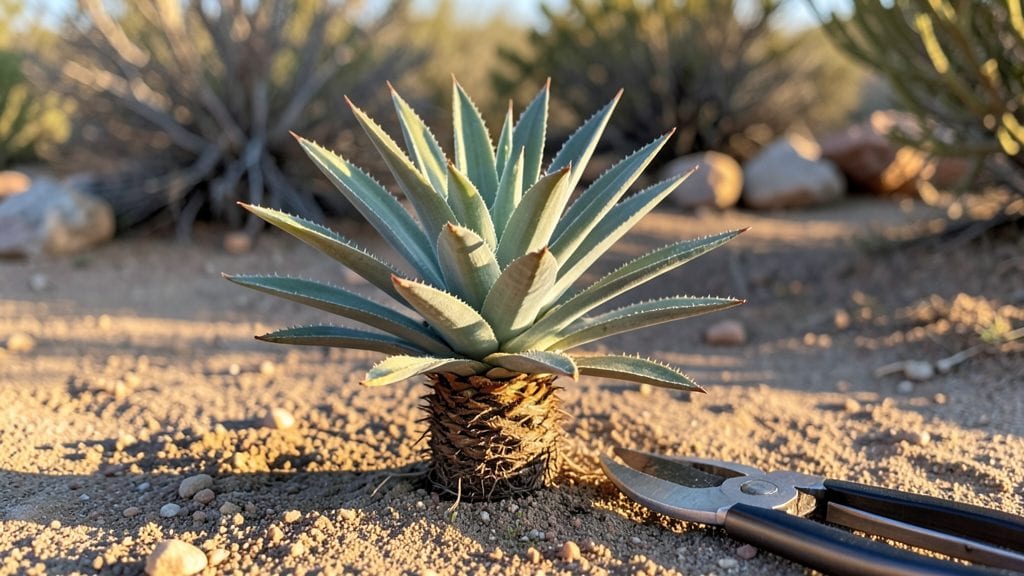
Growing a Joshua tree seedling into a stately desert icon takes real patience—but the first green shoot is worth every wait. 🌱 I’ve watched these slow-growing wonders go from a speck of soil to a 3-foot wonder in just three years, and I’ll show you how to skip the guesswork.
The key isn’t rushing; it’s mimicking their natural habitat with precision.
You’ll need well-draining soil, a sunny spot (or grow light), and a watering routine that’s more "damp" than "soaked." Most people overwater, and that’s how you get root rot before the roots even get a chance.
The right setup—whether indoors or out—makes all the difference, especially if you’re not in a true desert climate.
By year three, you’ll have a sturdy seedling with that signature twisted shape, ready to handle full desert sun. The growth might be slow, but the reward is a plant that thrives for decades with almost no fuss. Here’s how to set it up right from the start.
Fair warning: this isn’t a fast-growing houseplant. But if you’re in it for the long haul, the payoff is a piece of the Southwest landscape in your own yard—or even your living room. Let’s get those seeds started the right way.
📚 In This Guide
- What you need
- Instructions
- Tips and common mistakes
- Wrapping up and next steps
What you need
- ● Joshua Tree seeds: 5–10 seeds (ensure they’re fresh or cold-stratified for best germination).
- ● Well-draining potting mix: 2–3 gallons of a cactus/succulent blend (e.g., 50% pumice, 30% perlite, 20% coarse sand).
- ● Small pots or seed trays: 4–6 shallow containers (3–4 inches deep) with drainage holes.
- ● Grow lights or sunny windowsill: 6+ hours of bright, indirect light daily (or a full-spectrum LED grow light for 12–14 hours).
- ● Spray bottle: For gentle watering (avoid soaking!).
- ● Humidity dome or plastic wrap: To retain moisture during germination.
- ● Pruning shears: Small, sharp pair (for future trimming—sterilize with rubbing alcohol!).
- ○ Thermometer/hygrometer: Optional but helpful to monitor 70–90°F temps and 30–50% humidity.
- ● Fertilizer (low-nitrogen): 1–2 tbsp of diluted cactus fertilizer (e.g., 2-7-7 ratio) every 2–3 months after germination.
- ○ Heat mat (optional): For warmer climates to mimic desert conditions (set to 80–85°F).
- ● Patience & a desert-friendly location: Joshua Trees thrive in USDA Zones 9–11—plan for eventual outdoor transplanting!
Step-by-Step instructions for growing Joshua tree seedlings
Here’s how to nurture these iconic desert plants from tiny seeds into thriving specimens.
🌱 Step 1: Prepare the Growing Medium and Containers
Joshua trees demand fast-draining soil to mimic their native desert conditions. Mix equal parts cactus/succulent soil and perlite in each 4-inch pot—this ensures excess water drains immediately. I avoid garden soil entirely; it compacts and suffocates roots. Fill the pot ¾ full, leaving room for the seed.
Use sterilized containers—Joshua tree seedlings are prone to damping-off if exposed to fungal spores. If reusing pots, wash them with a 10% bleach solution and rinse thoroughly. The key here is prevention: damp, crowded conditions are death sentences for these delicate sprouts.
💧 Step 2: Sow Seeds and Set Up Germination Conditions
Place 1-2 seeds per pot just below the soil surface—¼ inch deep—using a toothpick to avoid burying them too deeply. Cover lightly with a sprinkle of the soil mix. Joshua tree seeds need warmth to germinate, so place pots on a seedling heat mat set to 80-85°F. Without this, germination can take 6-12 months—or never happen at all.
Mist the soil surface with a spray bottle until evenly damp, but never soggy. Cover the pots with clear plastic wrap to retain humidity, then poke a few tiny holes for airflow. Check daily—condensation inside the wrap signals it’s time to vent for 10 minutes. This balance keeps seeds moist without inviting rot.
☀️ Step 3: Provide Indirect Light and Monitor Growth
Once seeds sprout (after 2-4 weeks), remove the plastic wrap immediately. Place seedlings under bright, indirect light—direct sun now will scorch their tender leaves. A south-facing window with sheer curtain works, but supplement with a grow light if natural light is weak. Joshua trees need 12+ hours of light daily to avoid leggy growth.
You’ll notice first true leaves (not the initial cotyledons) after 4-6 weeks. At this stage, reduce watering to every 2 weeks—let the top inch of soil dry completely between waterings. Overwatering is the #1 killer of young Joshua trees; their roots rot faster than you’d think. I use a moisture meter to check soil levels—40-50% moisture is ideal.
🪴 Step 4: Harden Off and Transplant After 1 Year
After 12 months, seedlings are ready to graduate to 6-inch pots with the same fast-draining mix. Gradually introduce them to outdoor conditions by placing pots in partial shade for 2-3 hours daily, then increasing exposure over 2 weeks. Joshua trees are tough, but sudden sun exposure will bleach their leaves.
Transplant in early spring when nighttime temps stay above 50°F. Dig a hole twice as wide as the root ball but only as deep as the pot—deeper planting encourages rot. Water deeply once after planting, then let the soil dry before watering again. By year 3, your seedlings will be ready to handle full desert sun and minimal care.
Tips & tricks for growing Joshua tree seedlings
These essential tips will help you navigate the delicate early stages of growing Joshua tree seedlings—where small details make all the difference.
Soil Mix Precision: The 50/50 ratio of cactus/succulent soil to perlite in Step 1 is non-negotiable. Too much perlite creates a sandy void where roots can't anchor, while too much soil traps moisture. I recommend pre-mixing your soil blend in a bucket to ensure consistency across all pots. This mimics the mineral-rich, fast-draining conditions of their Mojave habitat.
Germination Heat Secret: That 80-85°F heat mat temperature in Step 2 is critical—any cooler and germination slows dramatically. I place my pots on a heating pad set to "low" (which typically reads around 82°F) and monitor with an infrared thermometer. If your kitchen runs cold, consider using a seedling heat mat with a built-in thermostat for precision.
Light Transition Strategy: When moving seedlings from plastic wrap to bright indirect light in Step 3, I recommend a gradual transition over 3-4 days. Start with 2 hours of light on Day 1, then increase by 1 hour daily. This prevents the shock of sudden light exposure that can bleach delicate new leaves. A south-facing window with sheer curtain provides perfect filtered light for the first 2-4 weeks.
Watering Technique: The "every 2 weeks" schedule in Step 3 is a guideline, not a rule. Always check soil moisture with your finger—push it 1 inch deep. If it feels dry, water thoroughly until it drains from the pot's bottom. I use a spray bottle for the first 4 weeks to avoid disturbing the soil surface where seeds are just sprouting. Overwatering at this stage is the fastest way to lose your seedlings.
Pro Tips for Joshua Tree Seedling
- These essential tips will help you navigate the delicate early stages of growing Joshua tree seedlings—where small details make all the difference.
- Soil Mix Precision: The 50/50 ratio of cactus/succulent soil to perlite in Step 1 is non-negotiable.
- Germination Heat Secret: That 80-85°F heat mat temperature in Step 2 is critical—any cooler and germination slows dramatically.
Frequently asked questions
about growing Joshua tree seedlings—because even desert blooms need a little guidance! Here are answers to the most common queries to help you nurture your own thriving specimen.How long does it take for a Joshua tree seedling to mature?
A Joshua tree seedling typically takes 3–5 years to establish a sturdy trunk and branches, but full maturity (with iconic twisted arms) can take decades. Patience is key—focus on slow, steady growth in well-draining soil with minimal watering.
Why is my Joshua tree seedling wilting or turning brown?
Overwatering is the #1 killer! Joshua trees are drought-resistant—water only when the soil is completely dry (usually every 2–4 weeks). Yellowing leaves or soft stems signal root rot. Move to a sunnier spot and reduce watering immediately.
Can I grow a Joshua tree seedling indoors?
Not ideal! Joshua trees thrive in full sun (6+ hours daily) and need outdoor conditions to mimic their desert habitat. If you must start indoors, use a bright south-facing window and transplant outdoors as soon as possible (spring or fall). →
What’s the best soil mix for a Joshua tree seedling?
Use a fast-draining mix: 50% cactus/succulent soil + 30% perlite/pumice + 20% coarse sand. Avoid peat moss—it retains too much moisture. Elevate the pot to prevent water pooling at the roots.
How cold can a Joshua tree seedling tolerate?
Young seedlings handle brief drops to 20°F (-7°C), but prolonged cold (<15°F/-9°C) can damage them. Mulch with gravel (not organic matter) to insulate roots. Mature trees are hardier, but seedlings need protection in frost-prone zones.
Wrapping up and next steps
Growing a Joshua Tree seedling into a thriving desert bloom is a rewarding journey that blends patience, care, and a touch of desert magic! 🌵✨ By following the right steps—from selecting the perfect soil and container to mastering pruning techniques—you’ve set the stage for a resilient, stunning plant that thrives in arid conditions.
Remember, consistency is key, and your efforts will pay off in years to come.
Now that you’re equipped with the knowledge, why not take the next step? Share your progress with fellow plant enthusiasts, experiment with creative pruning styles, or even plant a second seedling to expand your desert oasis. Happy growing—your Joshua Tree’s future starts with you! 🌱💚