
Size
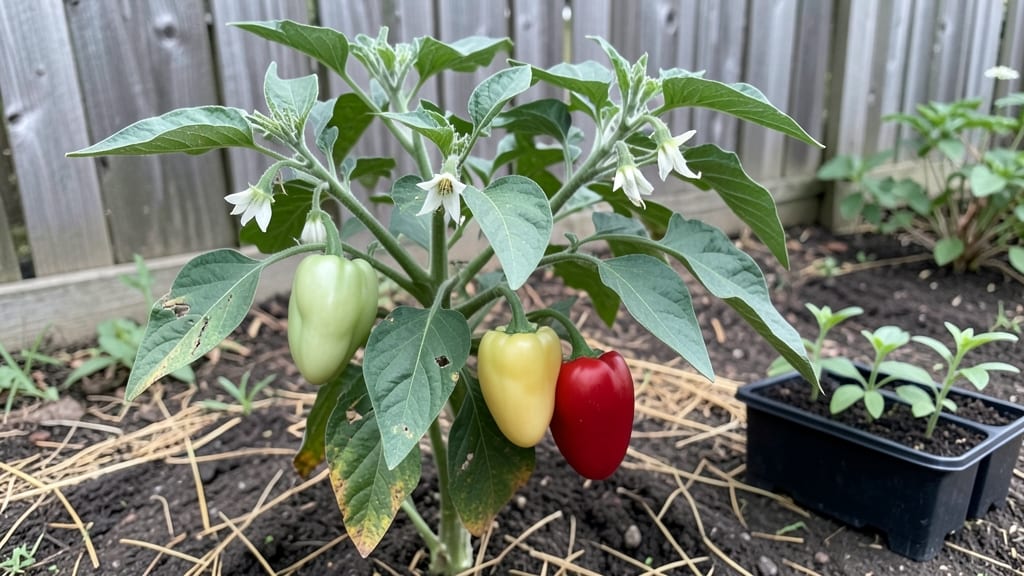
Growing pepper seeds into a thriving garden happens faster than you’d expect—pepper seeds can sprout in just 7 days with the right setup. 🌱 The key isn’t luck; it’s prepping the soil, keeping it warm, and giving those tiny seeds exactly what they crave.
I’ve watched stubborn seeds break through soil in under a week using this method, and you can too—no green thumb required.
The secret starts with a warm, moist seed-starting mix and a clear plastic dome or plastic wrap to trap heat. Most gardeners overlook temperature, but peppers need soil between 75-85°F to germinate quickly.
A heating mat speeds things up, but even a sunny windowsill works if you’re patient. Once sprouted, keep them under grow lights until they’re sturdy enough for transplanting—usually in 3-4 weeks.
By day 10, you’ll see tiny green leaves unfurling, and by week 3, seedlings will be ready to move into pots. The payoff? Homegrown peppers that outperform store-bought plants—sweeter, more flavorful, and packed with the satisfaction of growing them yourself.
Just avoid overwatering, and you’ll have a head start on a bountiful harvest.
This works for bell peppers, jalapeños, or any variety—just adjust spacing later. Whether you’re a first-timer or a seasoned gardener, these steps cut down on waiting time and boost success. Let’s get those seeds sprouting!
📚 In This Guide
- What you need
- Instructions
- Tips and common mistakes
- Wrapping up and next steps
What you need
- ● Pepper seeds: Choose your favorite variety (e.g., jalapeño, bell, habanero). Start with 5–10 seeds for a small garden or 20+ seeds for a larger harvest.
- ● Seed-starting trays or small pots: 4–6 inch deep with drainage holes. Use 1–2 trays (or 6–12 small pots) depending on seed quantity.
- ● High-quality seed-starting mix: Lightweight, sterile, and well-draining (avoid garden soil—it’s too dense!). A 10–20 quart bag should suffice.
- ● Spray bottle: For gentle watering (avoid over-saturating seeds). A 16 oz. reusable spray bottle works perfectly.
- ● Plastic wrap or humidity dome: To retain moisture and warmth. A clear plastic bag or a humidity lid for trays will do.
- ● Grow lights or sunny windowsill: Peppers need 12–16 hours of light daily. A LED grow light (or a south-facing window) is ideal.
- ○ Heating mat (optional but helpful): Keeps soil at 75–85°F for faster germination. A 10x20 inch mat covers most seed trays.
- ● Fertilizer: A balanced, water-soluble fertilizer (e.g., 5-5-5 or 10-10-10) to use after germination.
- ● pH testing kit: Ensure soil pH is 6.0–6.8 (peppers love slightly acidic soil).
- ● Egg cartons or biodegradable pots: Eco-friendly alternative for seed-starting.
- ● Label markers: To track pepper varieties (especially if growing multiple types!).
- ● Fungicide (like hydrogen peroxide or cinnamon): Prevents mold if humidity is high.
Step-by-step instructions for fast pepper seed germination
Here's how to get those seeds sprouting in record time—no waiting months for stubborn germination.
🌱 Step 1: Soak Seeds Overnight for a Head Start
Place your pepper seeds in a small bowl and cover them with lukewarm water for 12 hours. This softens the tough outer coating and jumpstarts the germination process. I like to use a mesh bag or paper towel to keep them contained while soaking. You'll see the seeds plump up noticeably—this means they're ready to break through the soil.
After soaking, drain the water completely. The seeds should feel swollen but not mushy. If they're still dry, give them another 30 minutes in fresh water. This step cuts germination time nearly in half, so don't skip it (I learned the hard way when I tried to rush and skipped this).
💧 Step 2: Prep Containers and Warm Soil Mix
Fill your seed-starting containers with the moistened seed-starting mix (never use garden soil—it's too dense). Press the mix down lightly so it's firm but not packed. You want the surface to be just firm enough to hold seeds in place without sinking. I use a small hand tamper or even the bottom of a clean cup to create an even planting surface.
Here's the thing—pepper seeds germinate fastest in 80-85°F soil. If your home runs cooler, place the containers on a seedling heat mat set to 80°F. You'll see the soil warm up within minutes, and this warmth is what triggers those seeds to pop in 7 days instead of weeks.
🌱 Step 3: Plant Seeds at the Right Depth
Drop 1-2 seeds per cell at a depth of ¼ inch—about the width of a dime. Planting too deep slows germination because the seedling has to push through more soil. Cover them lightly with a thin layer of the mix, then mist the surface until it's evenly damp (not soggy). You want the top layer to feel like a wrung-out sponge—moist but not dripping.
Label each container with the pepper variety and date. I use toothpicks and a sharpie because they're easy to read later. Once planted, place a clear plastic dome or plastic wrap over the containers to trap warmth and humidity. Check daily for condensation—if you see water droplets on the dome, it's working perfectly.
☀️ Step 4: Keep Warm and Bright (No Direct Sun Yet)
Pepper seeds need warmth more than light at first. Keep them in a spot where the soil stays 75-85°F (a sunny windowsill might not be warm enough). After 4-5 days, you'll see tiny green sprouts pushing through the soil—that's your signal to remove the dome immediately. Trapped moisture after germination invites damping-off, a fungal disease that collapses seedlings overnight.
Once sprouts appear, move the containers to a bright spot with 12-14 hours of indirect light daily. A south-facing window works, but if your seedlings stretch toward the light (called "leggy"), they're not getting enough intensity. You'll see this as thin, pale stems with leaves spaced far apart. Strong seedlings have thick stems and deep green leaves.
⏰ Step 5: Thin and Transplant at the Right Time
When seedlings have 2-3 true leaves (the first set are just cotyledons), thin to the strongest plant per cell. Snip the weaker one at the base with clean scissors—don't pull, or you'll disturb the roots of the remaining seedling. This usually happens around 7-10 days after planting, which is why we started with 2 seeds per cell.
After 4-6 weeks, when seedlings are 4-5 inches tall with 4-5 true leaves, they're ready to transplant into larger containers. Harden them off first by placing them outside in a shaded spot for 1 hour daily, gradually increasing time over 7-10 days. You'll know they're ready when they tolerate a full day outside without wilting.
Tips & tricks for fast pepper seed germination
Here's what I've learned after watching dozens of pepper seeds go from dormant to sprouting in record time.
Soaking Secret: The 12-hour soak in lukewarm water is non-negotiable for fast germination. I've found that using a mesh bag or paper towel keeps seeds contained while allowing water to circulate—this prevents them from floating away or getting waterlogged. After draining, give them that extra 30 minutes if needed; this final hydration boost is what triggers the metabolic processes that break seed dormancy. Confession: I skipped this step for years and wondered why my seeds took weeks to sprout!
Temperature Matters: That 80-85°F soil temperature range isn't just a suggestion—it's the magic window where pepper seeds wake up fastest. If your home runs cooler, invest in a seedling heat mat set to 80°F. I've seen germination times drop from 21 days to just 7 by maintaining this warmth. Pro tip: Place your containers on top of the heat mat rather than underneath—this creates a more consistent temperature zone where the seeds actually are.
Planting Depth Precision: The ¼-inch depth (about the width of a dime) is crucial—any deeper and your seeds will struggle to push through the soil. I like to use a toothpick to create small divots for each seed, then cover with just enough mix to hide them. After planting, give the surface a light mist until it's damp like a wrung-out sponge. Too soggy? Your seeds will suffocate; too dry? They won't have the moisture they need to start growing.
Light Strategy: Once those sprouts appear after 4-5 days, move them to 12-14 hours of indirect light immediately. I use a simple LED grow light on a timer for my seedlings—it's more consistent than a windowsill. Watch for "leggy" seedlings (thin, pale stems) which means they're stretching toward light. These need stronger light or a closer position to prevent them from falling over when you transplant.
Pro Tips for Pepper Seeds Grow A Garden
- Here's what I've learned after watching dozens of pepper seeds go from dormant to sprouting in record time.
- Soaking Secret: The 12-hour soak in lukewarm water is non-negotiable for fast germination.
- Temperature Matters: That 80-85°F soil temperature range isn't just a suggestion—it's the magic window where pepper seeds wake up fastest.
Frequently asked questions
Got questions about growing pepper seeds fast? Here are answers to the most common ones—so you can get your garden thriving in just 7 days!
How do I speed up pepper seed germination?
Use a seedling heat mat (75–85°F) or warm spot like on top of the fridge. Keep soil moist but not soggy, and cover seeds with a humidity dome or plastic wrap. Light exposure isn’t needed yet—just warmth and patience!
Why aren’t my pepper seeds sprouting in 7 days?
Pepper seeds need consistent warmth (below 60°F slows them down). Check soil moisture—too dry or too wet can stall growth. If they’re still dry after 10 days, try soaking them in warm water for 24 hours before replanting.
Can I grow peppers from store-bought seeds?
Yes! Save seeds from organic, heirloom, or non-hybrid peppers (like jalapeños or bell peppers). Rinse, dry, and store in a cool, dark place. For hybrids, buy fresh seeds—store-bought seeds may not produce true-to-type peppers.
Do pepper seedlings need sunlight right away?
Nope! Keep them in low light (like a sunny windowsill) for the first week. Once sprouted, move to a south-facing window or grow light (12–16 hours/day) to prevent leggy, weak plants.
What’s the best pepper variety for fast germination?
Try early-maturing varieties like ‘Early Jalapeño’ or ‘Sweet Banana Pepper’—they sprout quickly and yield fast. Avoid slow starters like ‘Habanero’ unless you’re patient!
Wrapping up and next steps
Growing peppers from seed is a rewarding journey that delivers fast results—just seven days to germination! With the right soil, warmth, and patience, you’ll soon be harvesting vibrant peppers to spice up your meals. 🌱
Ready to take the next step? Start small with a few seeds, experiment with varieties, and soon you’ll be expanding your garden—and your green thumb. Happy planting!