Watering
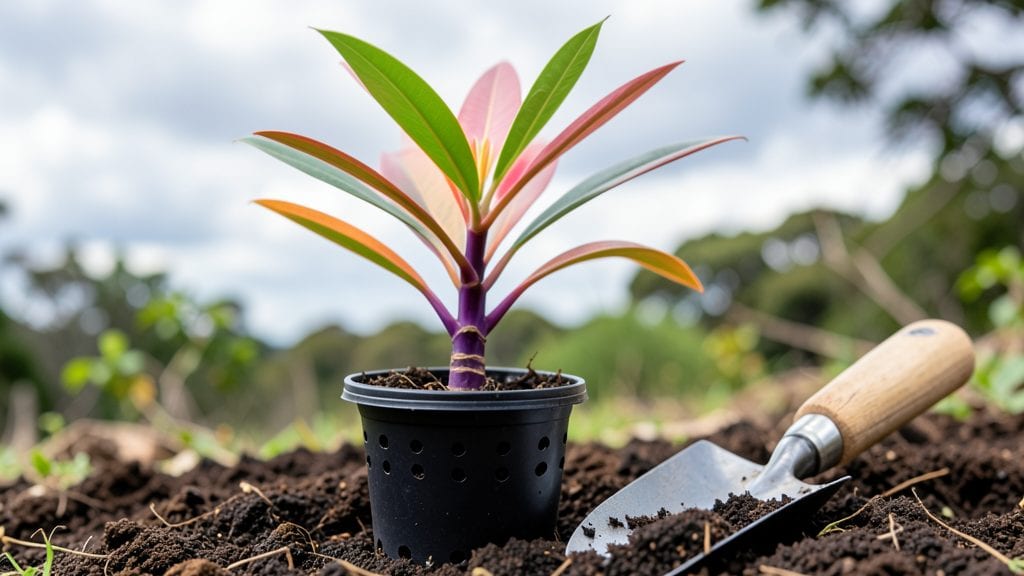
Growing a rainbow eucalyptus seedling is like nurturing a living work of art—its multicolored bark unfurls in layers, turning your garden into a winter wonderland. 🌿 The first year is all about patience, since these tropical trees grow slow but pack a visual punch that makes every inch worthwhile.
I’ve learned that the key isn’t just water or sunlight, but creating the right balance to coax those vibrant stripes from a tiny seedling.
The real magic happens in the soil—a mix that’s 60% peat or coconut coir and 40% perlite keeps roots happy while preventing rot, which is critical for these frost-sensitive plants. Place your seedling in bright, indirect light (think morning sun, afternoon shade) to avoid scorching those delicate leaves.
Watering is the trickiest part: keep the soil evenly moist but never soggy, mimicking the humid conditions of its native rainforests.
By the time winter rolls around, you’ll be rewarded with bold, peeling bark in shades of pink, green, and lavender that glows against bare branches. The plant’s slow growth means it’ll take years to reach its full height, but each layer of bark reveals a new surprise.
Transplanting too early is the biggest mistake—wait until the seedling’s at least 12 inches tall and has developed a sturdy root system before moving it outdoors.
This tree thrives in USDA zones 10-11, but even in colder climates, you can grow it in containers and bring it inside during frost. The secret to keeping it alive through winter is consistent moisture and protection from cold drafts—no heat lamps, just a sunny windowsill or greenhouse.
Once established, it becomes a low-maintenance stunner that turns heads year-round.
📚 In This Guide
- What you need
- Instructions
- Tips and common mistakes
- Wrapping up and next steps
What you need
- ● Rainbow eucalyptus seedling: 1 healthy, 6-12" tall specimen (ensure it’s labeled or from a trusted nursery).
- ● Well-draining potting mix: 1 bag (1 cubic foot) of a blend designed for eucalyptus or succulents (e.g., 50% peat moss, 30% perlite, 20% sand).
- ● Pot or container: 1 with drainage holes (8-12" diameter; terracotta or fabric pots work best).
- ● Watering can or spray bottle: 1 with a fine rose nozzle for gentle hydration.
- ● Fertilizer: 1 bottle of balanced, water-soluble fertilizer (e.g., 10-10-10) or slow-release eucalyptus-specific granules.
- ● Pruning shears: 1 pair (sterilized with rubbing alcohol).
- ○ Mulch (optional but recommended): 1 bag of bark chips or pine needles (1-2 inches thick) to retain moisture.
- ● Gloves: 1 pair (gardening gloves to protect your hands from sap).
- ● Trowel: 1 small hand trowel for transplanting (if repotting).
- ● Sunlight access: A spot with full sun to partial shade (6+ hours of sunlight daily).
- ● Temperature control: Ability to protect from below 20°F (-6°C) (rainbow eucalyptus is frost-sensitive!).
- ○ pH test kit (optional): To check soil acidity (ideal pH: 5.5–6.5).
Step-by-Step instructions for growing rainbow eucalyptus seedlings
This vibrant, frost-hardy tree thrives with patience and precision—here's how to coax those stunning multicolored stems from seed.
🌱 Step 1: Stratify Seeds for Germination Success
Rainbow eucalyptus seeds need cold stratification to break dormancy. Place the seeds in a sealed plastic bag with a damp paper towel, then refrigerate for 6-8 weeks. Check weekly—the towel should stay moist but not soggy. I like to label the bag with the date to track progress.
Stratification mimics winter conditions, tricking seeds into thinking spring has arrived. Once the 6-week mark hits, remove the bag and let it sit at room temperature for 24 hours before sowing. This temperature shift signals the seed it's time to grow.
🪴 Step 2: Sow Seeds in Sterile, Well-Draining Mix
Fill 4-inch pots with a mix of 50% potting soil and 50% perlite—this ensures excellent drainage, which rainbow eucalyptus demands. Plant seeds ¼ inch deep, spacing them 1 inch apart in each pot. Gently press the soil around them to secure without compacting.
Water lightly from below by placing the pots in a tray of 1 inch of water for 10 minutes. This prevents seed displacement while keeping moisture consistent. Cover the pots with clear plastic wrap to retain humidity, but prop it open slightly to allow airflow.
☀️ Step 3: Provide Warmth and Indirect Light
Place the pots in a location with 65-75°F temperatures and bright, indirect light. A south-facing window works well, but avoid direct sun, which can overheat the seedlings. If using a grow light, position it 6 inches above the pots and keep it on for 12-14 hours daily.
Germination can take 4-8 weeks, so patience is key. You'll know it's working when you see the first true leaves—small, rounded, and bright green. Once they appear, remove the plastic wrap immediately to prevent fungal growth.
🌿 Step 4: Transplant and Harden Off Seedlings
After 3-4 months, when seedlings reach 4-6 inches tall with a sturdy stem, it's time to transplant. Choose a spot with partial shade and well-draining soil. Dig holes twice as wide as the root ball but only as deep as the pot to avoid burying the stem.
Harden off seedlings by gradually exposing them to outdoor conditions over 10-14 days. Start with 1 hour of morning sun and slowly increase exposure. Watch for wilting—if it occurs, the plant needs more time to adjust. Once hardened off, plant in the ground or a larger container.
⏰ Step 5: Winter Care for Frost-Bloom Magic
Rainbow eucalyptus thrives in USDA Zones 8-11, but even in colder climates, it can survive winter with protection. Mulch the base with 2-3 inches of wood chips to insulate roots. In freezing temperatures (below 20°F), wrap the trunk with burlap to prevent frost cracks.
The real magic happens in winter when frost paints the stems in vibrant colors. Prune lightly in late winter to encourage new growth. With proper care, your seedlings will mature into stunning, multi-stemmed trees that brighten gardens year-round.
Tips & tricks for perfect rainbow eucalyptus seedlings
These precision techniques will help you coax vibrant, frost-resistant rainbow eucalyptus from seed with professional results.
Stratification Precision: During the 6-8 week cold stratification in Step 1, maintain consistent moisture by checking the damp paper towel weekly. If it feels dry, mist it lightly with water—never soak it. I place the bag in a sealed container with a tiny air hole to prevent condensation buildup, which can cause mold. The 24-hour room temperature shift before sowing is critical: this temperature change mimics natural spring conditions that trigger germination.
Soil Mix Science: The 50/50 potting soil to perlite mix in Step 2 isn't just about drainage—it creates an oxygen-rich environment that prevents root rot. I sift the perlite first to remove any dust particles that could clog the mix. For even better results, add a handful of coarse sand to improve aeration further. When planting seeds ¼ inch deep, use a toothpick to create small holes—this prevents damaging delicate roots during transplantation later.
Lighting Strategy: The 65-75°F temperature range in Step 3 is ideal for seedling development, but lighting is equally crucial. If using artificial light, I recommend LED grow lights as they emit less heat than fluorescent options. Position the light 6 inches above and adjust the 12-14 hour daily cycle to match your local daylight hours—this helps seedlings acclimate naturally. Watch for leaves turning toward the light source; if they do, rotate the pots daily for even growth.
Transplant Timing: The 3-4 month mark in Step 4 is when seedlings develop sufficient root systems for transplantation. Before moving them outdoors, I perform a gentle tug test: if the seedling resists being pulled from its pot, it's ready. During the 10-14 day hardening process, I gradually increase exposure time by 15 minutes each day rather than the full hour immediately—this minimizes transplant shock. The 1 hour morning sun starting point is perfect because cooler morning temperatures reduce stress on tender seedlings.
Pro Tips for Rainbow Eucalyptus Seedling
- These precision techniques will help you coax vibrant, frost-resistant rainbow eucalyptus from seed with professional results.
- Stratification Precision: During the 6-8 week cold stratification in Step 1, maintain consistent moisture by checking the damp paper towel weekly.
- Soil Mix Science: The 50/50 potting soil to perlite mix in Step 2 isn't just about drainage—it creates an oxygen-rich environment that prevents root rot.
Frequently asked questions
about growing rainbow eucalyptus seedlings—because every gardener deserves a little clarity!How long does it take for a rainbow eucalyptus seedling to show its colorful bark?
Patience is key! Seedlings typically take 3–5 years to develop their signature rainbow bark—though some may hint at color changes as early as 2 years. Focus on healthy growth first; vibrant hues appear when the tree matures.
Can rainbow eucalyptus seedlings survive winter frosts?
Young seedlings are frost-sensitive—protect them with mulch or move pots indoors during hard freezes (below 20°F/-7°C). Mature trees handle light frost better, but seedlings thrive in USDA Zones 8–11. A cozy blanket of mulch works wonders!
What’s the best soil mix for rainbow eucalyptus seedlings?
Use a well-draining mix of 50% potting soil, 30% perlite, and 20% sand to prevent root rot. These trees hate soggy feet! Add a handful of compost for nutrients, but avoid heavy clay.
Can I grow rainbow eucalyptus from cuttings instead of seeds?
Hardwood cuttings
(6–8 inches long) in late winter/early spring root well. Dip in rooting hormone, plant in moist perlite, and cover with plastic to retain humidity. Success rates improve with bottom heat (70–75°F).
Why are my rainbow eucalyptus leaves turning yellow?
Yellowing leaves often signal overwatering or nutrient deficiency. Check soil moisture—let the top 1–2 inches dry between waterings. Feed with a balanced fertilizer (10-10-10) in spring/summer. Yellow edges? Try magnesium-rich Epsom salt (1 tbsp/gallon).
Wrapping up and next steps
Growing a rainbow eucalyptus seedling is like inviting a splash of winter magic into your garden—vibrant, low-maintenance, and utterly rewarding! 🌈 With the right care, especially mindful watering, you’ll nurture a stunning focal point that thrives even in colder months.
Whether you’re a seasoned gardener or just starting, your patience will soon bloom into a dazzling display of layered frost.
Ready to watch your seedling transform? Start small—plant it in a sunny spot, keep the soil moist (but not soggy), and enjoy the process! Soon, you’ll be sharing your rainbow eucalyptus masterpiece with neighbors or admiring its beauty year after year. Happy gardening! 🌱✨