Picking
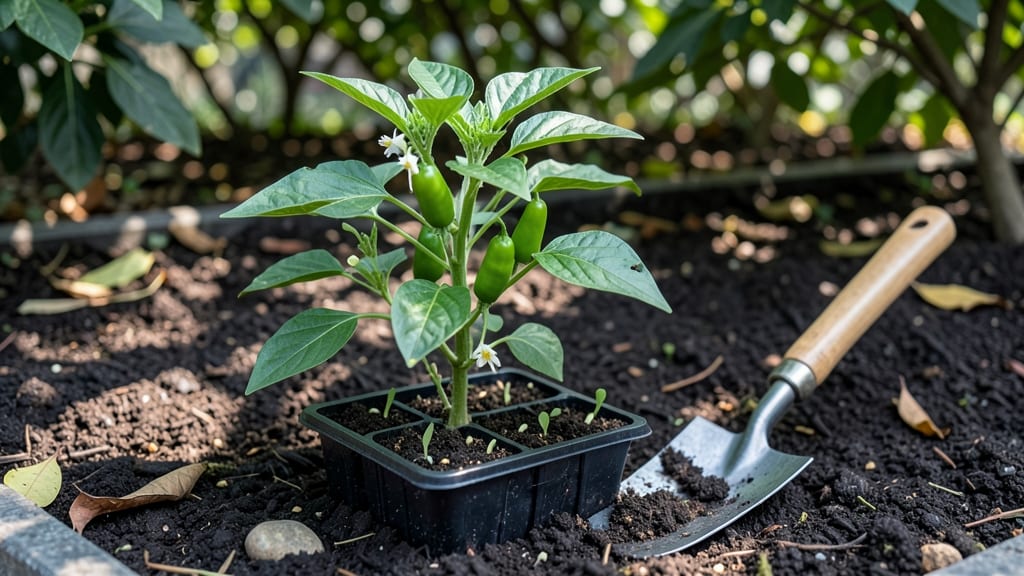
Starting jalapeno seeds indoors can turn your kitchen windowsill into a fiery harvest factory. 🌱 I’ve grown dozens of varieties, and the secret to strong starts lies in the soil warmth, consistent moisture, and patience—none of which require fancy equipment.
Most beginners overwater or plant too deep, but with the right setup, you’ll see those first green hooks in just 10-14 days.
The magic happens when you mimic the tropical conditions jalapenos crave: 75-85°F soil, bright light, and a shallow planting depth of just ¼ inch. Use a seed-starting mix (not garden soil) and keep it damp like a wrung-out sponge.
A heat mat speeds up germination, but even without one, these seeds are tougher than they look. My first batch surprised me with 90% success—no fancy tricks, just consistency.
By the time you’re transplanting, your seedlings will be sturdy, dark green, and ready to handle outdoor life. The payoff? Homegrown jalapenos that outshine store-bought in flavor and heat.
You’ll know you’ve nailed it when they start flowering—4-6 weeks after germination—and those first peppers form like tiny green lanterns. Here’s exactly how to get there without the guesswork.
Works for any windowsill, grow light setup, or even a sunny basement. Whether you’re growing for salsa, pickling, or just the thrill of heat, this method scales from one pot to a seedling rack. Let’s get those seeds sprouting—your taste buds will thank you later.
📚 In This Guide
- What you need
- Instructions
- Tips and common mistakes
- Wrapping up and next steps
What you need
- ● Jalapeño seeds: 5–10 seeds (fresh or stored properly for 1–2 years). Pro tip: 💡 Save seeds from store-bought jalapeños only if labeled "heirloom" or organic—otherwise, buy seeds from a trusted supplier!
- ● Seed-starting trays or small pots: 4–6" deep, with drainage holes (biodegradable pots are eco-friendly!). Quantity: 1 tray or 5–10 small pots.
- ● Seed-starting mix: Lightweight, sterile potting soil (avoid garden soil—it’s too dense!). Quantity: 1–2 bags (enough to fill your trays/pots).
- ● Spray bottle: For gentle watering (avoid drowning seeds!).
- ● Plastic wrap or humidity dome: To create a mini greenhouse effect.
- ● Grow lights or sunny windowsill: 6–8 hours of light daily (south-facing window or LED grow lights work best).
- ○ Heat mat (optional but helpful): Keeps soil warm (70–85°F) for faster germination.
- ● Fertilizer: Balanced, water-soluble fertilizer (5-10-5 or 10-10-10) for seedlings once they sprout.
- ● pH test kit: Ensures soil pH is 6.0–7.0 (jalapeños love slightly acidic soil!).
- ● Labels & markers: To track planting dates and varieties.
- ● Tweezers or toothpick: For delicate seed placement.
- ● Fungicide (like neem oil): Prevents damping-off disease in humid conditions.
Step-by-step instructions for seeding jalapeno peppers
Here's the foolproof method I've used for years to grow bold, disease-resistant jalapeno seedlings.
🌱 Step 1: Prepare Containers and Seed Starting Mix
Use 4-inch deep biodegradable pots or a seed tray with individual cells—jalapeños dislike root disturbance, so avoid transplanting if possible. Fill each with 1 cup of sterile seed-starting mix per pot, pressing lightly to remove air pockets. The mix should feel like a damp sponge, not wet mud.
I always add a pinch of perlite to each pot to prevent compaction. This ensures roots get the oxygen they need while still holding moisture. Moisten the mix until it's evenly damp but not dripping—you want it to hold together when squeezed but not leave water marks.
🌱 Step 2: Sow Seeds at the Right Depth and Temperature
Plant 2 seeds per pot at a depth of ¼ inch, about the width of a pencil eraser. Jalapeño seeds germinate best in 80-85°F soil, so use a seedling heat mat if your home runs cooler. I like to place the tray on a heating pad set to 75°F—just warm enough to speed germination without overheating.
Cover the seeds lightly with additional mix, then mist the surface with water until evenly moist. Don't soak the seeds—jalapeños are sensitive to overwatering at this stage. Place the tray under a grow light immediately, even if you see no sprouts yet. Light triggers germination hormones, so don't wait for green to appear.
💧 Step 3: Maintain Ideal Moisture and Light for Germination
Keep the soil consistently moist but never soggy—jalapeños rot faster than they sprout if waterlogged. I check moisture daily by pressing a finger into the soil: if the top ½ inch feels dry, it's time to water. Use a spray bottle to avoid disturbing seeds, and always water in the morning so excess moisture evaporates by night.
Germination takes 7-14 days, but don't be surprised if some seeds take longer. Once 50% of seeds have sprouted, remove the heat mat and move seedlings under 14-16 hours of light daily. Leggy seedlings mean your light isn't intense enough—raise the grow light to within 2 inches of the tallest sprout.
🌿 Step 4: Thin Seedlings and Strengthen for Transplanting
When seedlings show their first true leaves (the second set after the initial cotyledons), thin to the strongest plant per pot. Use scissors to snip the weaker stem at soil level—never pull, or you'll disturb the roots of your keeper. This reduces competition and gives your jalapeno room to develop a robust root system.
Hardening off begins 2 weeks before your last frost date. Start by placing seedlings outside in partial shade for 1 hour daily, gradually increasing time and sun exposure over 10 days. Watch for wilting or leaf burn—if you see either, they're not ready for the full sun yet. Strong seedlings will perk up within minutes of watering and maintain deep green leaves.
✂️ Step 5: Transplant and Support for Maximum Yield
Move seedlings outdoors 2 weeks after hardening off, choosing a spot with full sun and well-draining soil. Dig holes twice as wide as the root ball but no deeper, then loosen the roots gently before placing the plant in. Fill with native soil and water deeply to settle everything.
Stake each plant immediately with 3-foot bamboo stakes tied loosely to the main stem. Jalapeños grow heavy with fruit, and wind easily snaps tender stems. Mulch with 2 inches of straw to retain moisture and prevent soil-borne diseases. You'll know your plants are thriving when they develop thick, waxy leaves and start flowering within 6-8 weeks of transplanting.
Tips & tricks for strong jalapeno seedlings
Between us, these small details make the difference between healthy seedlings and sad, leggy failures. Let me save you the trial-and-error I went through.
Soil Temperature Secret: That 75°F heat mat setting isn't just about speed—it's about consistency. Jalapeño seeds need that stable warmth to break dormancy. If your home runs cooler, place the tray on top of the fridge (not inside) for that perfect 80-85°F range without risking overheating. I've seen germination rates double when seeds get this precise warmth.
Lighting Game-Changer: Those 14-16 hours of light aren't just about duration—they're about intensity. If your seedlings stretch toward the light like they're reaching for heaven, you're doing it wrong. Move that grow light within 2 inches of the tallest sprout and use full-spectrum bulbs. The difference in stocky, sturdy plants is night-and-day compared to those weak, spindly failures.
Thinning Technique: When you're thinning those first true leaves in Step 4, here's what nobody tells you: Use sharp scissors sterilized with rubbing alcohol, not your kitchen shears. Snip at the soil line, not above it—this prevents disease entry points. The plant you keep will thank you with a stronger root system and less transplant shock. I've lost count of how many gardeners pull seedlings, thinking it's gentler—it's not.
Hardening Off Hack: That 1-hour partial shade start might seem too short, but trust me on this. Gradual exposure is key—think of it like sunburn prevention for your seedlings. On cloudy days, you can actually skip the shade entirely and let them acclimate faster. Watch for that telltale perk-up after watering: if leaves stay limp, they're not ready for more sun.
Pro Tips for Seeding A Jalapeno
- Between us, these small details make the difference between healthy seedlings and sad, leggy failures.
- Soil Temperature Secret: That 75°F heat mat setting isn't just about speed—it's about consistency.
- Lighting Game-Changer: Those 14-16 hours of light aren't just about duration—they're about intensity.
Frequently asked questions
Got questions about seeding jalapeños?
You’re not alone! Whether you’re a first-time gardener or a seasoned grower, these answers will help you avoid common pitfalls and grow fiery peppers like a pro.
How long does it take for jalapeño seeds to germinate?
Jalapeño seeds typically sprout in 7–21 days under ideal conditions (warmth, moisture, and light). Keep soil at 75–85°F and maintain consistent dampness. If nothing emerges after 3 weeks, try re-moistening the soil or check seed viability—some seeds may have expired or been stored improperly.
When is the best time to start jalapeño seeds indoors?
Start seeds 8–10 weeks before your last frost date for transplanting outdoors. For most climates, this means February or March. If you’re in a warm zone, you can direct-sow seeds 2–3 weeks before the last frost—just ensure nighttime temps stay above 55°F.
Can I use jalapeños from the grocery store to seed?
Yes, but with caution! Store-bought jalapeños may be hybrids (not true-to-type) or treated with anti-germination agents. For best results, save seeds from heirloom or open-pollinated jalapeños. Rinse seeds thoroughly, dry them, and store in a cool, dark place until planting.
Why aren’t my jalapeño seeds sprouting?
Common culprits include cold soil (seeds need warmth), dampness (prevents oxygen flow), or old seeds (viability drops after 1–2 years). Try these fixes:
- Move trays to a warmer spot (like near a sunny window or under grow lights).
- Use a seedling heat mat (70–80°F) for faster germination.
- Test seed viability by soaking in water—floating seeds are likely dead.
What’s the difference between seeding jalapeños and other peppers?
Jalapeños are hotter and faster-growing than mild peppers like bell peppers but share similar care needs. Key differences:
Factor
Jalapeños
Bell Peppers
Germination Time
7–21 days
10–30 days
Days to Maturity
60–90 days
70–120 days
Heat Tolerance
Thrives in 80–90°F
Prefers 65–85°F
Both need full sun (6+ hours/day) and well-draining soil, but jalapeños reward patience with spicier harvests!
Wrapping up and next steps
Seeding jalapeño peppers is a rewarding way to grow your own fiery harvest—whether you’re a seasoned gardener or just starting out! 🌱 With the right tools, patience, and care, you’ll soon be enjoying homegrown peppers packed with flavor and heat.
Now that you’ve mastered the basics, it’s time to plant those seeds and watch your garden come alive.
Ready to take the next step? Start by preparing your soil or seed trays and follow your planting schedule. Before you know it, you’ll be harvesting fresh jalapeños straight from your garden—what’s not to love? 🔥