
Leaf Blower
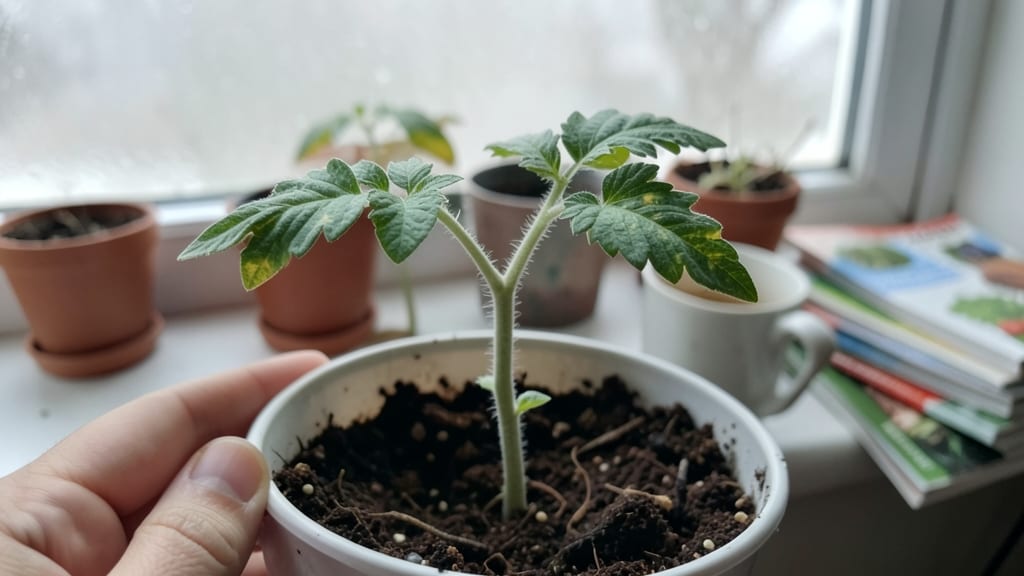
Seedling leaf curl can turn your brightest starts into sad, wrinkled messes in no time—unless you act fast. 🌱 I’ve nursed back more seedlings than I’d like to admit, and the key is catching the problem early, whether it’s fungal gunk on leaves, tiny spider webs, or just leaves that look like they’ve been crumpled overnight.
The culprits are usually one of three things: too much water drowning the roots, fungal spores hiding in crowded trays, or pests like spider mites sucking the life out of tender leaves.
The good news? Each has a simple fix—just prune the worst damage, adjust your watering, and clean up debris. Most seedlings bounce back within days if you tackle it right away.
You’ll see leaves smoothing out and new growth within a week if you follow the three-step rescue: trim the curled bits, treat with a light fungicide or soapy water spray, and move seedlings to better airflow.
The goal is to keep them sturdy enough to transplant later—no more sad, stunted plants in your garden.
Prevention is even easier: space seedlings properly, avoid overhead watering, and check the undersides of leaves regularly. A little vigilance now means stronger plants later. Let’s get those leaves looking happy again!
Root Causes Behind Leaf Curl
Understanding why your seedlings develop curled leaves is the first step to fixing the problem. These issues often stem from a mix of environmental stress, pest activity, or underlying health problems.
Below, we break down the most common culprits—along with the science behind them—so you can identify the exact cause and take targeted action.
Seedling leaf curl is one of the most devastating symptoms of virus infections, particularly in plants like tomatoes, peppers, and beans. The primary culprits are tobacco mosaic virus (TMV) and tomato yellow leaf curl virus (TYLCV), both of which are spread by insects (like aphids) or contaminated tools.
How it happens:
- Viruses hijack plant cells, disrupting normal growth hormones (like auxins and cytokinins), which causes abnormal leaf curling, stunting, and yellowing.
- Infected seedlings may also show mosaic patterns (light/dark green patches) or thickened veins.
- Unlike bacterial or fungal issues, viruses cannot be cured—only prevented or managed.
Actionable sign: If your seedlings show symptoms + nearby plants are infected, quarantine them immediately to prevent spread.
Sap-sucking pests like aphids, spider mites, and whiteflies are notorious for causing leaf curl. These tiny invaders insert their mouthparts into leaves, withdrawing sap and injecting toxins that trigger phytohormonal imbalances (specifically, an overproduction of ethylene and jasmonic acid).
How it happens:
- Aphids excrete honeydew, a sticky residue that attracts sooty mold, further stressing the plant.
- Spider mites thrive in dry conditions and leave fine webbing on curled leaves.
- Whiteflies cluster on undersides, causing leaves to cup upward as the plant tries to protect damaged tissue.
Actionable sign: Check leaf undersides for pests or sticky residue—if you see them, act fast with neem oil or insecticidal soap.
Extreme or fluctuating conditions—like heat, cold, drought, or poor airflow—can cause seedlings to curl their leaves as a protective response. This is often a physiological disorder, not a disease.
How it happens:
- Heat stress: High temperatures (>90°F) disrupt chlorophyll production, leading to blistering and curling as leaves try to reduce water loss.
- Cold damage: Frost or chilly nights (<50°F) cause cell membrane damage, making leaves stiff and curled.
- Drought: When roots can’t supply enough water, leaves curl inward to minimize moisture loss (a survival mechanism).
- Overwatering: Poor drainage leads to root rot, starving leaves of nutrients and causing them to yellow and curl.
Actionable sign: If curling appears suddenly + no pests/viruses, check soil moisture, temperature, and airflow.
A lack of essential nutrients (especially nitrogen, magnesium, or potassium) can weaken seedlings, making their leaves curl as they struggle to photosynthesize efficiently.
How it happens:
- Nitrogen deficiency: Leaves turn yellow (chlorosis) and curl at the edges because the plant can’t produce enough chlorophyll.
- Magnesium deficiency: Older leaves develop interveinal yellowing and curl due to poor chlorophyll stability.
- Potassium deficiency: Leaves curl upward and develop brown tips because potassium regulates water and enzyme activity.
Actionable sign: Test soil pH and conduct a leaf tissue analysis—if nutrients are lacking, amend with balanced fertilizer or compost.
Physical trauma—like strong winds, hail, or rough handling—can tear or bruise delicate seedling leaves, causing them to curl or pucker as they attempt to heal.
How it happens:
- Wind damage: High winds desiccate leaves, making them crisp and curled.
- Hail or debris: Impact ruptures cell walls, leading to irregular curling.
- Overcrowding: Seedlings competing for light may rub against each other, causing abrasions.
Actionable sign: If curling is localized to outer leaves + no other symptoms, the issue is likely mechanical.
While less common than viruses, fungal pathogens (like Alternaria or Pythium) and bacterial leaf curl (BLC) can also cause curling, often accompanied by spots, lesions, or oozing sap.
How it happens:
- Fungi thrive in humid, stagnant conditions, releasing toxins that distort leaf growth.
- Bacteria (e.g., Ralstonia solanacearum) clog xylem vessels, restricting water flow and causing cupping or rolling.
Actionable sign: Look for dark spots, mold, or slimy residues—if present, remove infected seedlings and sterilize tools to prevent spread.
Leaf curl is rarely a single issue—combine observations (pests? weather? spots?) to pinpoint the cause. Once you identify the root problem, you can apply the right fix (pest control, environmental adjustments, or nutrient correction) to revive your seedlings. 🚀
Fixing Wrinkled Seedling Leaves
Now that you know the root causes behind those frustrating seedling leaf curls, let’s roll up our sleeves and get your plants back to thriving! Below are practical, step-by-step solutions tailored to each common trigger—plus prevention tips to keep your seedlings smooth and strong.
Problem: Too much moisture causes roots to suffocate, leading to curled leaves as the plant gasps for air.
How to Fix It:
- 🔥 Stop Watering Immediately Let the soil dry out completely before watering again. Stick your finger an inch deep—if it’s damp, wait.
- 🍳 Improve Drainage Repot seedlings in containers with drainage holes (or add a layer of perlite/pumice to the mix). Avoid compacted soil.
- 👨🍳 Adjust Watering Habits Water only when the top inch of soil is dry—morning is best to prevent evening dampness.
💡 Prevention Tip: Use a well-draining seedling mix (50% peat/coir, 30% perlite, 20% vermiculite) to avoid soggy roots.
Problem: Scorching sunlight or dry heat forces leaves to curl as a protective measure.
How to Fix It:
- 🥘 Move to Partial Shade Place seedlings under 50% shade cloth or a sheer curtain until new growth appears.
- 🌡️ Hydrate Deeply Water slowly at the base (not overhead) to encourage root absorption. Use room-temperature water to avoid shock.
- ✨ Boost Humidity (Temporarily) Cover seedlings with a plastic dome or mist lightly 2x/day until they recover.
🎯 Prevention Tip: Acclimate seedlings to outdoor conditions gradually (hardening off) over 7–10 days before full sun exposure.
Problem: Pathogens like powdery mildew or tobacco mosaic virus cause curling as leaves struggle to photosynthesize.
How to Fix It:
- 🔪 Prune Damaged Leaves Snip off severely curled or spotted leaves with sterilized scissors to prevent spread.
- 💪 Fungal Spray (For Mildew/Blight) Mix 1 tsp baking soda + 1 quart water + a drop of dish soap and spray every 3–4 days for 2 weeks.
- 🍎 Quarantine Infected Plants Isolate affected seedlings away from healthy ones to stop contamination.
🌡️ Prevention Tip:
- Rotate crops yearly to break disease cycles.
- Disinfect tools with rubbing alcohol between uses.
- Avoid overhead watering to keep leaves dry.
Problem: Sap-sucking pests (aphids, spider mites) distort leaves by draining nutrients.
How to Fix It:
- 🕷️ Inspect Leaves Daily Check undersides of leaves for tiny bugs. Use a magnifying glass if needed.
- 💦 Blast Off Pests Spray seedlings with soapy water (1 tsp mild soap per quart) or neem oil solution (1 tbsp neem + 1 quart water).
- 🌿 Introduce Beneficial Insects Release ladybugs or lacewings (available at garden centers) to eat pests naturally.
✨ Prevention Tip:
- Interplant with pest-repelling herbs (basil, marigolds).
- Sticky traps near seedlings can catch flying insects early.
Problem: Lack of nitrogen, magnesium, or zinc causes weak, curling growth.
How to Fix It:
| Deficiency | Quick Fix | Prevention |
|---|---|---|
| Nitrogen (Yellowing) | Diluted fish emulsion (5-5-5) | Use compost tea regularly. |
| Magnesium (Yellow Edges) | Epsom salt spray (1 tbsp/gal) | Add dolomitic lime to soil. |
| Zinc (Stunted Growth) | Chelated zinc supplement (follow label) | Test soil pH (ideal: 6.0–7.0). |
💡 Pro Tip: Over-fertilizing can burn roots—always water first, then feed lightly.
If your seedlings are beyond saving (e.g., severe fungal rot, systemic virus), don’t hesitate to start fresh:
- 🔄 Repot healthy cuttings in fresh, sterile soil.
- 🌱 Order new seeds if the original batch is compromised.
Remember: Patience is key! Most seedlings bounce back in 1–2 weeks with the right care. Keep monitoring, and soon you’ll have smooth, vibrant leaves ready for transplanting. 🌱✨
Frequently asked questions about seedling leaf curl
Why do my seedlings develop curled leaves overnight?
Sudden leaf curl often signals pest infestations (like spider mites) or environmental stress from heat, cold, or drought. Check leaf undersides for tiny webs or bugs—if found, treat immediately with soapy water or neem oil. For weather-related issues, adjust shade or watering habits right away.
Can I save seedlings with viral leaf curl?
Unfortunately, viral infections (like tobacco mosaic virus) have no cure. If you suspect a virus, isolate affected seedlings immediately and dispose of them to prevent spreading. Focus on preventing future outbreaks by sterilizing tools and controlling insect vectors like aphids.
How do I tell if curled leaves are from pests or disease?
Pests (aphids, mites) leave sticky residue or fine webbing on leaf undersides, while fungal diseases show powdery spots or mold. Viruses often include mosaic patterns (light/dark patches). Check for these clues: sticky residue = pests; spots = fungus; mosaic = virus.
Is overwatering really causing my seedlings' curled leaves?
Yes—overwatering suffocates roots, starving leaves of oxygen and nutrients. Test by sticking your finger 1 inch deep—if damp, wait before watering. Improve drainage by adding perlite to soil and use pots with holes to prevent soggy roots.
Will pruning curled leaves help my seedlings recover?
Prune only severely damaged leaves with sterilized scissors to redirect energy to healthy growth. Avoid over-pruning—remove no more than 20-30% of foliage. This boosts airflow and reduces stress, helping seedlings bounce back faster.