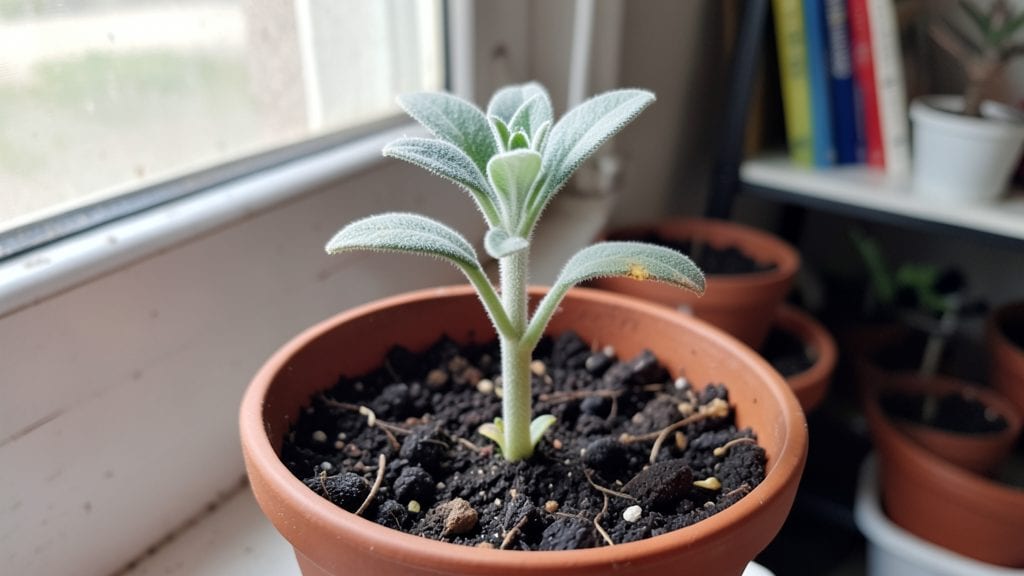
Mastering snapdragon seedling identification early prevents heartbreaking mistakes—like yanking out your own plants while chasing weeds. they’re still tiny. The key is those first true leaves: snapdragons have oval, slightly fuzzy leaves with a soft blue-green hue, while weeds often show up with jagged edges or a darker green.
Most beginners make two mistakes: waiting too long to thin seedlings or mistaking broadleaf weeds for snapdragons. The good news? Snapdragons grow fast once identified—if you spot those fuzzy leaves early, you’ll have stocky, 6-inch plants ready for transplanting in just 3-4 weeks.
The secret is checking for hair-like texture on the leaves and paired growth (two leaves per node).
When you get it right, you’ll end up with neat rows of vibrant seedlings that bloom into those classic snapdragon spikes by summer. The color deepens to a richer green as they mature, and the spacing between leaves widens—a dead giveaway they’re not weeds.
If yours look leggy or pale, it’s time to adjust light or water.
This works for both garden beds and containers, and the same rules apply whether you’re growing Antique, Rocket, or Matrix varieties. Here’s how to tell them apart from day one—and keep them thriving.
Mistakes Behind Misidentifying Seedlings
When snapdragon seedlings (Antirrhinum majus) look confusingly similar to other plants or even their own siblings, it’s usually due to a mix of biological quirks and growing conditions.
Understanding these causes helps you spot the real deal—and avoid costly errors in your garden. Here’s why misidentification happens, broken down into the most common culprits.
Snapdragons are hybrid plants, meaning they’re bred from multiple parent lines to create desirable traits like color, height, or disease resistance. Seedlings inherit a mix of these genes, leading to:
Inconsistent leaf shapes: Some seedlings may sprout with broader, rounder leaves (resembling Calceolaria or young Petunia seedlings) while others develop the classic snapdragon’s lance-shaped, serrated edges. This variation is normal but can throw off identification.
Color confusion: Seed packets often advertise vibrant blooms, but early seedlings may show purple, green, or even white stems and leaves—far from the expected pink, yellow, or red. Pro tip: Wait until the second set of true leaves (not the initial seed leaves) emerges before judging. These will better reflect the adult plant’s traits.
Dwarf vs. tall hybrids: Some snapdragon varieties are bred to stay under 12 inches, while others tower over 3 feet. If you’re expecting a compact plant but see a lanky seedling, it might be a mislabeled hybrid or a cross-pollination mix-up.
Seedlings don’t grow in a vacuum—they react to their surroundings, sometimes mimicking other plants or stunting growth in ways that make identification tricky.
Stressor
How It Changes Seedlings
What It Might Look Like
🌡️ Temperature Fluctuations
Cold snaps or heatwaves slow metabolism, causing:
Smaller, dark green or purple-tinged leaves (a survival mechanism to absorb more light).
Stunted growth that resembles slow-growing basil or young violas.
💧 Over/Underwatering
Water stress triggers:
Overwatered: Yellowing leaves with mushy stems (can look like rotting impatiens).
Underwatered:Thick, leathery leaves and a compact shape (similar to succulent seedlings like Sedum).
☀️ Light Exposure Issues
Too much or too little light alters:
Leggy, pale seedlings (etiolation) if shaded, resembling young coleus or basil.
Thick, glossy leaves if baked by direct sun, mimicking pepper seedlings.
Actionable fix: Keep seedlings in bright, indirect light (like a north-facing window or grow light) and maintain consistent moisture—neither soggy nor bone-dry.
Tiny invaders or pathogens can warp seedlings into unrecognizable shapes, making them look like entirely different plants.
Fungal infections (e.g., downy mildew):
Causes yellow spots or powdery growth on leaves, making seedlings resemble affected lettuce or spinach.
Tell-tale sign: White, fuzzy patches on undersides of leaves.
Insect damage (aphids, spider mites):
Leaves may develop holy or skeletonized edges, resembling chewed-up parsley or young dill.
Check for: Sticky residue (honeydew) or fine webbing.
Viral infections:
Can cause mosaic patterns or stunted growth, making seedlings look like cross-pollinated tomatoes.
Prevention: Start with sterilized soil and avoid planting near infected plants.
If your snapdragons are near other related plants (like foxgloves, toadflax, or even some mint family members), accidental cross-pollination can produce seedlings that don’t match the parent plant’s traits.
Resulting traits:
Leaves may be wider or more deeply lobed than typical snapdragons.
Flowers could emerge in unexpected colors (e.g., a "red" snapdragon producing pink or white blooms).
How to minimize it:
Isolate snapdragons from other Scrophulariaceae family plants (like Penstemon or Digitalis).
Use breeder-isolated seeds if you’re growing for true color.
Some plants share early-stage similarities with snapdragons, leading to mix-ups—especially for beginners. Here’s how to spot the difference:
Imposter Plant
How It Differs from Snapdragons
Calceolaria (Slipper Flower)
Leaves are heart-shaped with scalloped edges (vs. snapdragon’s lance-shaped).
Seedlings often have hairy stems.
Petunia
First true leaves are oval and smooth (no serrations).
Stems are succulent and plump.
Verbena
Leaves are opposite and toothed (arranged in pairs along the stem).
Seedlings grow very bushy from the start.
Quick Fixes for Seedling Confusion
Now that you know the why behind misidentifying snapdragon seedlings, let’s tackle the how—with clear, actionable steps to get it right every time. Whether you’re dealing with fuzzy leaves, color clashes, or growth glitches, these solutions will help you confidently distinguish your seedlings and prevent future mix-ups.
Problem: Your seedlings all have rounded or lobed leaves, making them hard to tell apart at a glance.
Fix It:
📏 Measure and Compare
Use a ruler or your fingers to gauge leaf size and shape. Snapdragon seedlings typically have slightly serrated edges and a soft, fuzzy texture (especially on younger leaves). Compare them side by side with a reference image or a healthy, mature snapdragon plant.
🌿 Flip Them Over
Check the underside of the leaves. Snapdragon leaves often have a light green or whitish hue on the reverse, while weeds or other seedlings may have darker or hairier undersides.
📸 Snap a Photo for Later
Take a close-up photo of each seedling with a coin or pencil for scale. Label them (e.g., "Seedling A – Fuzzy Leaves") and revisit them later with fresh eyes.
Prevention Tip:
💡 Start with certified seeds from a trusted supplier. Mixing seed varieties (even accidentally) is the #1 cause of leaf confusion. If you’re sowing from wild-collected seeds, press a few leaves into a herbarium sheet to document their traits before planting.
Problem: Your seedlings are losing their vibrant green color, turning yellow, or appearing pale—making them hard to identify as healthy snapdragons.
Fix It:
💧 Check the Watering Routine
Overwatering or underwatering can cause discoloration. Snapdragons prefer consistently moist (not soggy) soil. Stick your finger an inch deep—if it’s dry, water lightly; if it’s damp, hold off for a day.
☀️ Adjust Light Exposure
Pale seedlings often mean too little light. Move them to a south-facing window or use a grow light 12–14 hours a day. If they’re leggy (stretched out), they’re begging for more sun!
🌱 Fertilize Gently
Yellowing can signal nutrient deficiency (like nitrogen) or burn from over-fertilizing. Use a balanced, water-soluble fertilizer (like 10-10-10) at half-strength every 2–3 weeks.
Prevention Tip:
🌡️ Monitor soil temperature. Snapdragons thrive in 60–75°F soil. If your seedlings are in a cold frame or greenhouse, use a soil thermometer to avoid stunted growth or color loss.
Problem: Some seedlings are growing sluggishly, while others shoot up fast—making it hard to tell which are the "real" snapdragons.
Fix It:
🔥 Thin Them Out Early
Snapdragons need space to breathe. If seedlings are crowded, snip or pull the weakest ones at the soil line (not the roots) to reduce competition. Aim for 1–2 inches between plants.
👨🍳 Test the Roots
Gently dig up a suspicious seedling and check its root structure. Snapdragons develop a tapered, white root system (not thick or woody). Weeds often have fibrous or invasive roots.
🕰️ Give Them Time
Snapdragons are slow starters. If a seedling hasn’t sprouted in 10–14 days, it may not be viable. Discard it and replant if needed.
Prevention Tip:
✨ Use biodegradable seedling pots or peat pellets for individual seedlings. This makes transplanting easier and reduces the risk of damaging roots during identification checks.
Problem: Bugs or fungal issues are altering leaf shape and color, making seedlings look like something else entirely.
Fix It:
🔪 Inspect for Pests
Look for tiny holes, chewed edges, or sticky residue (aphids). Treat with neem oil or insecticidal soap if needed. For slugs/snails, set up a beer trap (bury a shallow dish of beer near seedlings).
🌡️ Improve Airflow
Crowded seedlings trap humidity, inviting powdery mildew (white fuzzy coating). Space them out and mist lightly in the morning to prevent fungal growth.
🚫 Quarantine Suspects
If a seedling shows black spots, wilting, or unusual growths, isolate it immediately. Healthy snapdragons should have smooth, glossy leaves with no blemishes.
Prevention Tip:
💡 Rotate your planting area yearly to avoid soil-borne diseases. If pests are recurrent, try companion planting with marigolds or basil—they repel many garden nuisances!
Final Pro Tip:
🎯 Keep a seedling journal! Note the date sown, leaf traits, and growth milestones for each batch. A quick glance at your records will save you hours of guesswork later.
With these fixes, you’ll go from "Is this a snapdragon or a weed?" to "Ah, classic snapdragon—time to transplant!" in no time. Happy gardening!
Frequently asked questions
1
How do I tell snapdragon seedlings apart from weeds when they're just sprouting?
Look for paired oval leaves with slightly fuzzy texture—this is the key snapdragon trait. Weeds often have jagged edges or single leaves. Check the undersides: snapdragon leaves are lighter green underneath, while weeds usually stay dark.
2
Why do my snapdragon seedlings look different from the seed packet description?
Early seedlings often don't match adult plant traits! Focus on the second set of true leaves (not the initial seed leaves) for accurate identification. Color and shape stabilize after 3-4 weeks, so don't judge too soon.
3
What should I do if I accidentally pull out a snapdragon thinking it was a weed?
Don't panic—snapdragons grow quickly once established. If you've got any remaining seedlings, thin aggressively to 1-2 inches apart and give them bright light. They'll recover fast with proper care!
4
Can I use a magnifying glass to check for snapdragon leaf details?
A 10x magnifier reveals the tiny hairs on snapdragon leaves that distinguish them from smooth-leaved weeds. This works especially well for seedlings under 1 inch tall when details are hard to see with the naked eye.
5
How long should I wait before transplanting snapdragon seedlings?
Wait until they have 4-6 true leaves and are at least 2-3 inches tall. This usually takes 4-6 weeks from sprouting. Harden them off first by placing outside for 1 hour daily before full transplant.