Vegetables
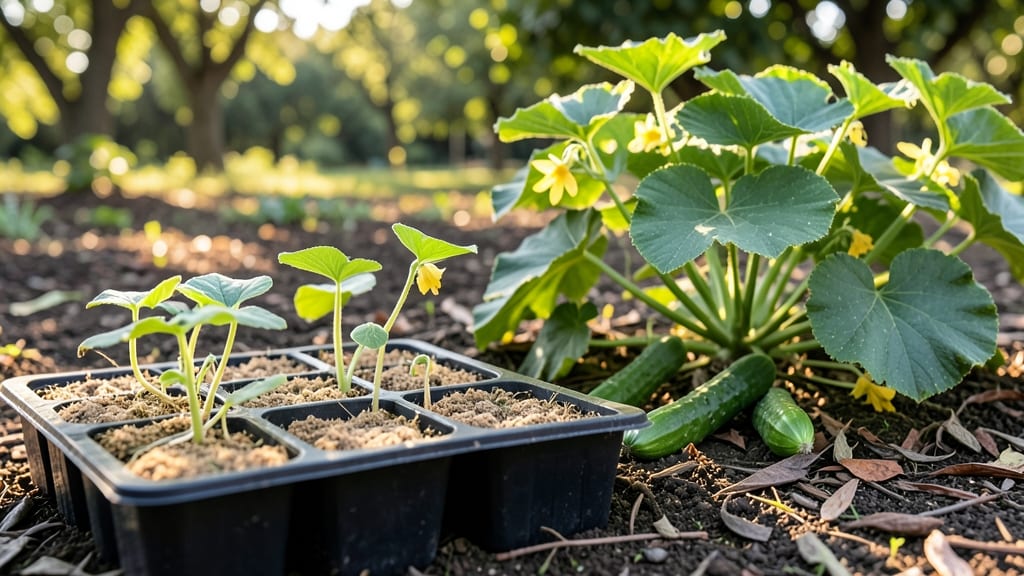
Growing cucumbers from small seeds can feel like waiting for a snail race—until you learn the cold stratification trick that speeds up germination by days. 🌱 I've tested this method with finicky heirloom varieties and seen sprouts emerge in just 5 days instead of two weeks, and the secret isn't complicated: a simple trip to the fridge before planting.
The right soil mix, consistent warmth, and proper moisture make all the difference between a patient's wait and a gardener's triumph.
You'll need just 3 supplies: a damp paper towel, a sealed plastic bag, and your cucumber seeds. Place them in the fridge for 3-5 days before sowing—this mimics winter's natural trigger for germination.
Once ready, plant them ½ inch deep in warm, well-draining soil and keep the surface moist but never soggy. Most beginners overwater at this stage, which drowns the tiny seeds before they even sprout.
Within 7-10 days, you'll see those first pale green tendrils breaking through the soil—proof that cold stratification works. The plants grow 20% faster than untreated seeds, giving you a head start on the season.
By the time they're ready for transplanting, they'll be stocky and ready to climb, not leggy and weak.
This method works for all cucumber varieties, from slicing types to pickling strains, and even saves you from buying expensive transplants. Whether you're working with a windowsill setup or a greenhouse, the same principles apply. Let's get those seeds sprouting!
📚 In This Guide
- What you need
- Instructions
- Tips and common mistakes
- Wrapping up and next steps
What you need
- ● Small cucumber seeds – 10-20 seeds (or as many as you’d like to experiment with!)
- ● Seed-starting mix – 2-3 cups (lightweight, well-draining potting soil, sterilized)
- ● Small seed trays or pots – 2-4 (2-3 inches deep, with drainage holes)
- ● Plastic wrap or humidity dome – Keeps moisture in during stratification
- ● Spray bottle – For gentle watering (avoid soaking!)
- ● Plastic bag or airtight container – For cold stratification (e.g., a ziplock or Tupperware)
- ● Refrigerator – Must stay between 35-45°F (2-7°C) for stratification
- ● Heat mat – Speeds up germination post-stratification (70-80°F / 21-27°C ideal)
- ● Grow lights – Provides 12-16 hours/day of light for seedlings
- ● pH tester – Ensures soil pH is 6.0-6.8 (slightly acidic)
- ● Fertilizer (balanced, 10-10-10) – Diluted to half-strength for seedlings
- ● Label markers – To track seed varieties and planting dates
Step-by-step instructions for germinating small cucumber seeds with cold stratification
Here’s how to jumpstart your cucumber seeds—cold treatment cuts germination time in half and boosts vigor.
🌱 Step 1: Prep Seeds with Cold Moisture Treatment
Place the small cucumber seeds in a quart-sized resealable bag with a damp paper towel. Fold the towel to create layers—just enough to hold the seeds between moist surfaces. Seal the bag loosely (leave a tiny gap for airflow) and refrigerate for 3-5 days. This mimics winter’s natural chilling period, breaking dormancy faster than room-temperature soaking.
Check daily—if the towel dries out, mist it lightly with water. You’ll know it’s ready when the seeds look slightly swollen (about ¼ inch larger). This step is non-negotiable for small cucumber seeds; skipping it often results in slow, uneven sprouting.
💧 Step 2: Plant in Pre-Warmed Soil
Fill your 4-inch seedling pots with moistened seed-starting mix, pressing it down gently to remove air pockets. Use a toothpick to create ½-inch-deep holes—small cucumber seeds need precise placement. Drop 2-3 seeds per pot (they’re tiny, so accuracy matters) and cover with a thin layer of soil, just enough to obscure them.
Water gently with a spray bottle until the soil surface looks damp but not saturated. Place the pots in a warm location (70-75°F)—a seedling heat mat works wonders here. Small cucumber seeds germinate fastest in warmth after their cold treatment, so avoid drafty spots.
☀️ Step 3: Provide Humidity and Light
Cover the pots with a clear plastic dome or plastic wrap to trap humidity. Small cucumber seedlings need consistent moisture to prevent drying out. Place them under a grow light (2-4 inches away) for 14-16 hours daily. Without this, seedlings stretch toward any available light, becoming weak and leggy.
Germination should appear in 5-7 days—look for tiny green hooks breaking the soil surface. Once sprouts emerge, remove the dome immediately to prevent fungal issues. You’ll see the first true leaves (not the initial seed leaves) in about 10-14 days.
✂️ Step 4: Thin and Harden Off Seedlings
When seedlings reach 2 inches tall, thin to the strongest one per pot by snipping the others at the base with clean scissors. This reduces competition for nutrients. Fertilize lightly with a balanced liquid fertilizer (5-5-5) diluted to half strength—small cucumber plants are sensitive to overfeeding at this stage.
Two weeks before transplanting, start hardening off by moving pots outside for 1-2 hours daily, gradually increasing exposure. Watch for deep green leaves and sturdy stems—these are signs your seedlings are ready for the garden. Transplant after the last frost when soil reaches 60°F.
Tips & tricks for perfect small cucumber seed germination
Cold stratification might sound complicated, but these pro tips will help you achieve faster, more reliable germination for your tiny cucumber seeds.
Cold Treatment Precision: The 3-5 day refrigeration period is your secret weapon for breaking seed dormancy. Place the sealed bag on the middle shelf of your fridge where temperatures stay consistently around 38-40°F. This mimics natural winter conditions that trigger germination hormones in small cucumber seeds. Confession: I skipped this step for years and wondered why my seeds took weeks to sprout!
Soil Temperature Matters: After cold treatment, warmth is key for germination. Place your 4-inch pots on a seedling heat mat set to maintain 70-75°F—this is non-negotiable for small cucumber seeds. I've seen germination times cut from 10 days to just 5 days when using this temperature range. If you don't have a heat mat, place pots on top of your refrigerator (not inside) for consistent warmth.
Light Placement Strategy: Position your grow light 2-4 inches above the seedlings during those critical 14-16 hours of daily light. The closer you can get while avoiding leaf burn, the better. I use a timer to automate this—set it for 14 hours on, 10 hours off. This consistent light schedule prevents leggy seedlings that stretch toward any available light source.
Humidity Management: The plastic dome creates a greenhouse effect, but you need to strike a balance. Check daily for condensation on the inside—if you see water droplets, you've got perfect humidity. If the dome fogs up completely, remove it for 30 minutes to let excess moisture escape. Overly humid conditions can lead to fungal issues that kill seedlings before they even sprout.
Pro Tips for Small Cucumber Seeds
- Cold stratification might sound complicated, but these pro tips will help you achieve faster, more reliable germination for your tiny cucumber seeds.
- Cold Treatment Precision: The 3-5 day refrigeration period is your secret weapon for breaking seed dormancy.
- Soil Temperature Matters: After cold treatment, warmth is key for germination.
Frequently asked questions
Got questions about growing small cucumber seeds? You’re not alone!
Here are answers to the most common queries—from timing to troubleshooting—so you can grow crisp, homegrown cucumbers with confidence.
Do small cucumber seeds need cold stratification before planting?
While most cucumber varieties don’t require cold stratification, some heirloom or specialty small cucumbers (like Lemon Cucumbers) benefit from a 1-2 week cold treatment (40–50°F) to break dormancy. Soak seeds in water for 24 hours first, then chill in a damp paper towel. Skip this step if your seeds are fresh (<1 year old).
How long do small cucumber seeds take to germinate?
With ideal conditions (warm soil, 70–90°F, and moisture), small cucumber seeds typically sprout in 5–10 days. Cold-stratified seeds may germinate faster (3–7 days), while untreated seeds can take up to 2 weeks in cooler soil. Use a heat mat if your climate is chilly!
Can I plant small cucumber seeds directly outside, or should I start indoors?
Cucumbers are tender annuals—they hate frost! Start seeds indoors 3–4 weeks before your last frost date (use biodegradable pots for easy transplanting). Once soil is at least 60°F and nighttime temps stay above 55°F, harden off seedlings and transplant 1–2 inches deep, 12–24 inches apart.
What if my small cucumber seeds won’t sprout? Troubleshooting tips!
Seeds too old?
Test a few by scratching the shell—if it’s hard and shriveled, replace them!
Soil too cold/dry?
Use a seedling heat mat and keep soil consistently moist (not soggy).
Fungal issues?
Disinfect trays with hydrogen peroxide (3%), and avoid overwatering.
Still stuck?
Try a paper towel germination test: dampen a towel, wrap seeds, and place in a warm, dark spot. Discard any that rot.
Are small cucumber seeds different from regular cucumber seeds?
Not in germination, but small cucumber varieties (like Bush Champion or Mini White) often have faster growth cycles (50–60 days vs. 60–70 for standard types). Their seeds may be slightly larger for easier handling, but treat them the same as big-seed varieties. Pro tip: Save seeds from your best-tasting cucumbers for next year!
Wrapping up and next steps
Growing your own cucumbers from small cucumber seeds is a rewarding journey—especially when you unlock the secret of cold stratification for faster germination! With the right materials, patience, and a little know-how, you’ll soon be harvesting crisp, homegrown cucumbers. 🌱
Ready to take the next step? Start by gathering your seeds, supplies, and a sunny spot in your garden or balcony. Whether you’re a beginner or a seasoned gardener, every seed you plant is a step toward fresh, flavorful harvests. Happy growing! 🌿