Pests
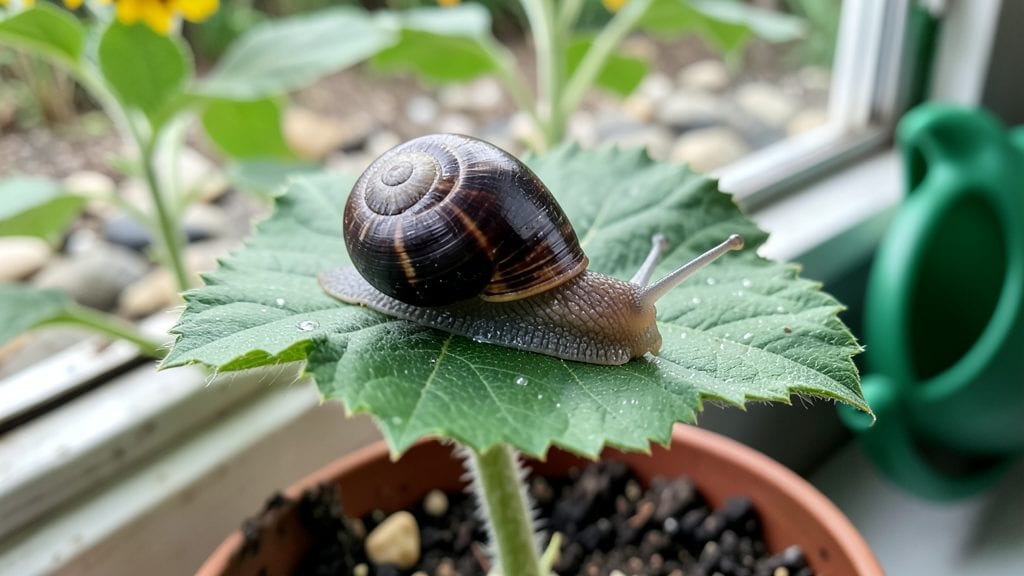
Snail seed starting protection starts with a simple truth: those tiny trays are like all-you-can-eat buffets for slugs and snails. 🌱 I lost my first batch of tomato seedlings to overnight munching before I realized how fast they strike—especially when trays sit outside or in greenhouses.
The key isn't just chasing them off after the damage; it's stopping them before they even notice your seeds.
Your first line of defense is moisture control—snails thrive in damp soil, so keep trays barely moist, not soggy. Add a thin layer of coarse sand or dried coffee grounds around the edges of trays to create a natural barrier they won't cross.
For outdoor setups, elevate trays on brick or metal stands to prevent crawling pests from reaching them in the first place.
You'll see the difference immediately: no more jagged holes in seedling leaves, no slimy trails at dawn, and seedlings that grow strong from day one. The best part?
These methods work for herbs, flowers, and vegetables alike, and they're completely chemical-free. Once you try them, you'll wonder why you ever struggled with seed-starting losses.
Even in greenhouses or covered porches, check for egg clusters (tiny jelly-like masses) along tray edges weekly. Remove them with a damp paper towel—it's the easiest way to catch an infestation before it starts. Trust me, a few minutes of prevention now saves hours of cleanup later.
What Triggers Seed Damage
Understanding why slugs and snails target your seeds before they even sprout is the first step to stopping them. These slimy invaders don’t just munch on seedlings—they go after your seeds themselves, leaving you with empty trays and wasted time.
Here’s why they’re so drawn to your starter setup, and what makes your seeds such an all-you-can-eat buffet.
Slugs and snails are like tiny, slimy water balloons—they need moisture to survive. When you start seeds indoors, you’re essentially creating a high-humidity paradise for them. Here’s why your seeds become a snack:
- Overwatered Soil: If your seed-starting mix is damp (not just moist), it sends out a "free water here!" signal.
Slugs and snails use slime trails to track moisture gradients—they can smell wet soil from inches away. 💦 - Condensation Traps: Clear plastic domes or bags trap humidity, creating a foggy, slug-friendly microclimate.
Without proper airflow, condensation drips onto seeds, making them irresistible to pests. - Seed Coating Attraction: Many seeds (especially pellets or coated varieties) hold moisture longer than bare soil. Slugs prefer these because they’re like pre-packaged hydration stations.
Actionable Fix: Let the top inch of soil dry slightly between waterings, and avoid sealing trays airtight. If you use domes, prop them open slightly during the day for ventilation.
Seeds aren’t just tiny plants—they’re packed with nutrients that slugs and snails can’t resist. Think of them as nature’s equivalent of a protein bar for gastropods.
- High Protein & Fats: Seeds contain oils and proteins that slugs crave. A single pea or bean seed can be like a five-course meal for a snail. - Easy Access: Unlike mature plants with tough stems, seeds are soft, unprotected, and exposed.
A snail can devour an entire tray of radish seeds in hours. - Decaying Organic Matter: If your seed-starting mix contains compost or old plant debris, slugs see it as a hotel buffet. They’ll burrow in to feed on both the seeds and the decomposing material.
Actionable Fix: Use sterile, soilless mixes (like coconut coir or vermiculite) to remove organic temptations. If you must use compost, pasteurize it first to kill slug eggs and larvae.
Slugs and snails are nocturnal nightmares—they hide during the day and strike when you’re asleep. Your seed trays provide the perfect dark, damp hideout for them.
- Undisturbed Spaces: Trays tucked in corners, under shelves, or near baseboards offer shadowy, undisturbed zones.
Slugs love these because they’re safe from predators (like birds or spiders). - Cooling Surfaces: Many growers place seed trays on cool surfaces (like basement floors or unheated greenhouses), which slugs find ideal for moisture retention. - Tight Gaps: If your trays have small air holes or cracks, slugs can squeeze in and set up camp.
They’ll even bridge gaps with slime to create their own entryways.
Actionable Fix: Keep trays in well-lit, open areas during the day and check under them for eggs or hiding slugs. Elevate trays on wire racks to improve airflow and deter burrowing.
Not all slugs are created equal—and their hunger depends on temperature, rain, and even the moon phase (yes, really).
- Warm, Wet Weather: Slugs are most active when nights are above 50°F (10°C) and days are humid. If you’re starting seeds in spring or fall, you’re in their peak snacking season. - Rainy Conditions: Heavy rain washes slugs out of hiding and into your seed trays.
They’re drawn to the fresh moisture in your starter mix. - Lunar Pull: Studies show slugs are more active during full moons due to higher humidity. If you’re starting seeds around this time, expect extra pest pressure.
Actionable Fix: Monitor weather forecasts and avoid starting seeds during predicted rain. If you must, use physical barriers (like copper tape) to deter them.
You might not realize it, but slugs and snails can stow away on tools, pots, or even your hands—turning your seed-starting area into an invasion zone.
- Contaminated Tools: Trowels, watering cans, or pots used outside can carry slug eggs or tiny slugs indoors. One unwashed tool is all it takes. - Infested Growing Medium: If you reuse potting mix or compost, slug eggs may already be hiding in it.
Even "sterile" bags can have hitchhikers. - Wildlife Guests: Birds, rodents, or even other insects can accidentally transport slugs into your setup.
Actionable Fix: Sanitize tools with a 10% bleach solution before use. Inspect new potting mixes for tiny eggs or slime trails, and quarantine any suspect materials.
Sometimes, the smells you’re using to help your seeds can attract slugs instead.
- Fish Emulsion Fertilizers: While great for plants, fish-based fertilizers smell like a seafood buffet to slugs. They’ll follow the scent right to your trays. - Yeast or Compost Tea: These are nutrient powerhouses for plants—but also for slugs.
A single drop of compost tea can trigger a slug feeding frenzy. - Decaying Plant Matter: If your seed trays have old roots, mold, or fungal growth, slugs see them as a free all-you-can-eat salad bar.
Actionable Fix: Avoid fish-based fertilizers until seeds sprout. If using compost tea, dilute it heavily and apply it away from seed trays. Keep trays clean and mold-free.
Some growers assume hard-coated or treated seeds are safe—but slugs have workarounds.
- Slime Digestion: Slugs secrete enzymes that dissolve seed coatings, allowing them to feast on the insides without chewing through the shell. - Egg Predation: Even if you protect seeds, slugs will eat the seedlings as soon as they break through the soil.
They don’t discriminate—they’ll go for anything green and tender.
Actionable Fix: Use physical deterrents (like diatomaceous earth or crushed eggshells) around trays, not just on seeds. Rotate seed varieties to avoid leaving a familiar food source.
One overlooked seed can lead to a full-blown slug party. If you don’t address the root causes (moisture, shelter, food), your entire seed-starting operation becomes a gastropod buffet.
The good news? Prevention is easier than cleanup—and once you know their triggers, you can outsmart them every time.
Quick Fixes for Seedling Snail Attacks
If slugs and snails have already found your snail seed starting mix, don’t panic—there are fast, effective ways to protect your tender seedlings before they become a buffet. Below, we’ll map common problems to practical solutions, including prevention tips to keep your garden safe long-term.
Cause: Slugs/snails have munched on emerging sprouts or young leaves. Fix:
- Handpick Attackers 👨🍳 – Go out at dusk or dawn (when slugs are most active) with a flashlight and gloves. Drop them into a bucket of soapy water for a humane disposal.
- Salt Barrier 🧂 – Sprinkle a thin line of coarse salt around the tray edges. Slugs avoid salt, but only use sparingly—it can harm soil over time.
- Beer Traps 🍺 – Bury a shallow dish filled with beer near the tray. Slugs crawl in but can’t escape—replace every 2-3 days for best results.
Prevention Tip: 💡 Add diatomaceous earth (DE) around the tray edges. It’s non-toxic, dries out slugs, and works for weeks if kept dry.
Cause: Slugs feasted on seeds before they sprouted, leaving empty soil. Fix:
- Replant Immediately 🌱 – If seeds were just planted, cover the tray with fine mesh (like hardware cloth) to block future access.
- Use Slug-Resistant Containers 🏺 – Switch to terracotta pots (slugs dislike the texture) or plastic trays with tight-fitting lids.
- Natural Deterrents 🌿 – Sprinkle crushed eggshells, coffee grounds, or copper tape around the edges. Slugs hate these textures and metals.
Prevention Tip: ✨ Pre-soak seeds in a slug-proof solution—mix 1 tsp neem oil + 1 tsp dish soap in 1 cup water, soak seeds for 30 mins before planting. This repels slugs while boosting germination.
Cause: Moist seed-starting mixes create the perfect slug paradise. Fix:
- Reduce Moisture 💧 – Water only when the top inch is dry (use a spray bottle instead of flooding).
- Improve Drainage 🚿 – Add a layer of perlite or sand to trays to prevent waterlogging.
- Ventilate Trays 🌬️ – Place trays in a well-ventilated area (like a greenhouse with fans) to lower humidity.
Prevention Tip: 🌡️ Use a humidity dome with small holes—it keeps seeds moist but allows airflow to deter slugs.
Cause: Your current method isn’t strong enough, or slugs found a new entry point. Fix:
- Rotate Solutions 🔄 – Switch between beer traps, salt barriers, and copper tape every few days to confuse slugs.
- Introduce Predators 🐸 – Place frog or toad houses near trays (they love snacking on slugs).
- Use Iron Phosphide Baits (Last Resort) 🚨 – If slugs are overwhelming, use organic slug pellets (like Sluggo)—keep away from seeds and water thoroughly after application.
Prevention Tip: 🎯 Plant slug-repelling herbs like mint, thyme, or rosemary around the perimeter—their scent keeps slugs away naturally.
To completely prevent snail seed starting disasters, follow this bulletproof routine: ✅ Inspect trays daily for eggs or slug trails. ✅ Keep soil dry—slugs need moisture to survive. ✅ Use physical barriers (mesh, copper tape) before planting. ✅ Avoid overwatering—water in the morning so soil dries faster. ✅ Rotate planting locations if slugs persist in one spot.
Final Thought: Slugs may be sneaky, but with these targeted fixes, your seedlings will stand a fighting chance—and you’ll enjoy a slug-free start to your garden! 🚀
Frequently asked questions
Why do slugs and snails target my seed trays before seeds even sprout?
Slugs and snails are drawn to the moisture and nutrients in seed-starting mixes. They can detect damp soil from inches away and see seeds as a protein-rich meal. Overwatered trays or condensation from plastic domes create the perfect environment for them to thrive.
What's the best way to keep snails out of my seed-starting setup?
Use a combination of physical barriers (like copper tape or fine mesh) and natural deterrents such as crushed eggshells or diatomaceous earth around tray edges. Elevate trays on stands and avoid overwatering to remove their moisture attraction.
Can I use chemical-free methods to protect my seedlings?
Try beer traps (bury a shallow dish of beer near trays), neem oil sprays, or introducing natural predators like frogs. For immediate protection, sprinkle coffee grounds around trays—slugs hate the smell and texture.
How do I know if slugs have already infested my seed trays?
Look for silver slime trails on tray edges, jagged holes in seedling leaves, or tiny jelly-like egg clusters along the soil surface. Check trays at dawn or dusk when slugs are most active.
Will slugs still attack my seedlings after they've sprouted?
Yes, they'll go after anything green and tender, including young leaves. The key is to act before germination—use barriers like hardware cloth or copper tape from day one. Once seedlings appear, rotate deterrents like salt barriers or diatomaceous earth.