Vegetables
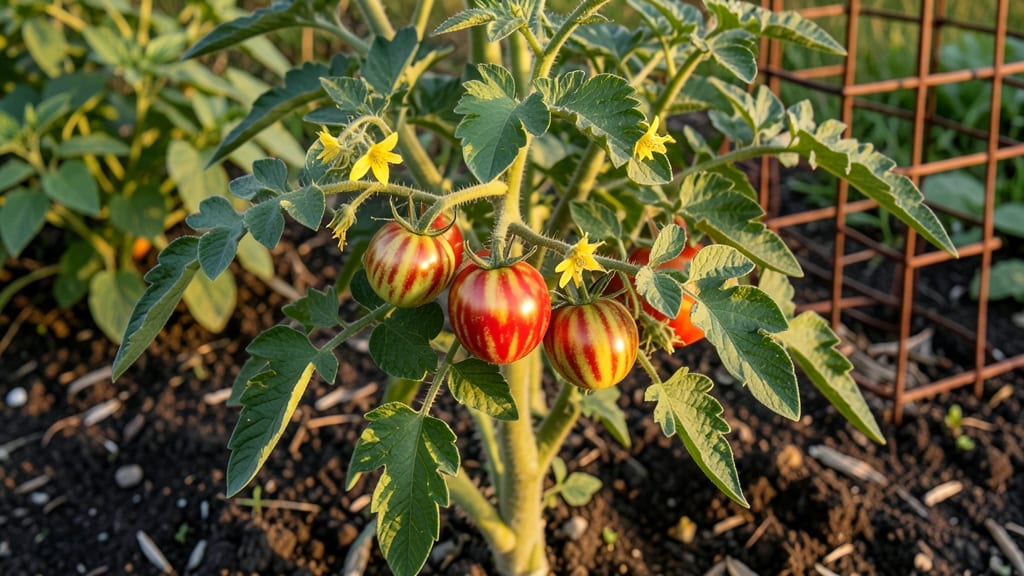
Growing striped German tomato seeds from scratch means you’ll end up with jewel-toned fruits that look like edible art. 🌱 I’ve grown this heirloom for years, and the key to those iconic stripes?
A cold stratification trick that mimics the plant’s natural winter cycle. Most gardeners skip this step—and end up with pale, streaked fruits instead of the bold, striped showstoppers.
The secret isn’t complicated: you’ll need a mix of well-draining soil, a sunny spot with 6-8 hours of light daily, and patience for the 10-12 week germination process.
Striped Germans thrive in USDA zones 4-10, but the cold stratification (4-6 weeks in the fridge) is what unlocks those signature stripes. Even in containers, they produce 3-5 pounds of fruit per plant if you prune and stake them early.
By midsummer, you’ll be harvesting sweet, meaty tomatoes with flavors that balance tart and rich—perfect for slicing or sauces. The plants stay compact (4-5 feet tall), so they’re great for small spaces, and their disease resistance means fewer chemical sprays.
The only catch? You’ll need to hand-pollinate if bees are scarce, but that’s part of the fun.
Whether you’re a first-timer or a seasoned grower, this variety rewards attention to detail. The stratification trick alone makes the difference between ordinary tomatoes and showstopper fruits that’ll have neighbors asking for seeds. Let’s get those stripes growing!
📚 In This Guide
- What you need
- Instructions
- Tips and common mistakes
- Wrapping up and next steps
What you need
- ● Striped German tomato seeds – 5–10 seeds (adjust based on space and desired yield).
- ● Cold stratification setup: Refrigerator (or cold frame) with a temperature range of 35–45°F (2–7°C).
- ● Moist paper towels, dampened cotton balls, or a seed-starting mat.
- ● Small plastic bag or airtight container (to retain moisture).
- ● Seed-starting supplies: Seed trays or small pots (2–3 inches deep) with drainage holes.
- ● High-quality seed-starting mix (sterilized, peat-based or coco coir blend).
- ● Grow lights or a sunny windowsill (south-facing, 6+ hours of light/day).
- ● Misting bottle (for gentle watering).
- ● Plant labels (to track varieties).
- ● Seedling heat mat (for faster germination).
- ● Humidity dome or plastic wrap (to retain moisture).
- ● pH testing kit (to ensure soil is 6.0–6.8).
- ● Fertilizer (balanced 5-5-5 or organic options like fish emulsion).
- ● Transplanting tools (small trowel, gloves).
How to cold-stratify striped German tomato seeds for maximum germination
Cold stratification tricks these finicky seeds into breaking dormancy reliably—here’s my battle-tested method.
🌱 Step 1: Select and Prepare the Seeds
Striped German tomatoes thrive when you start with fresh, plump seeds. Run them under lukewarm water for 10 minutes to soften the outer coating, then drain in a fine mesh strainer. This step mimics natural winter moisture and signals the seed it’s time to wake up.
Spread the seeds on a clean paper towel, spacing them 1 inch apart so they don’t touch. Place another dry towel on top and fold gently. This setup creates even moisture without suffocating the seeds—critical for preventing mold. Keep the folded towel in a sealed plastic bag (poke a few holes for airflow) and refrigerate for 7-10 days.
⏰ Step 2: Monitor the Cold Stratification Process
Check the seeds every 3-4 days for signs of swelling or cracking—this means stratification is working. You’ll see the seeds plump noticeably, sometimes even splitting slightly along the seam. If they stay dry and shriveled, mist the towels lightly with room-temperature water and return them to the fridge.
This cold treatment mimics the winter chill Striped Germans need to break dormancy. Skipping it results in erratic germination, with seeds either sprouting too slowly or not at all. After 10 days, remove the bag and let the seeds sit at 68-72°F for 24 hours to acclimate before planting.
💧 Step 3: Sow Stratified Seeds in Moistened Mix
Fill 2-3 inch deep biodegradable pots with sterile seed-starting mix (never garden soil—it’s too dense). Moisten the mix until it’s damp like a wrung-out sponge, then press it down lightly to eliminate air pockets. Poke a hole ¼ inch deep with your finger—just enough to cradle the seed without burying it too deeply.
Drop one seed into each hole and cover with a thin layer of mix, barely enough to hide it. Mist the surface gently with a spray bottle until the mix looks evenly damp but not soggy. Overwatering here causes seeds to rot before they sprout. Place the pots in a clear plastic bag to trap humidity, then set them in 75-80°F warmth.
☀️ Step 4: Provide Consistent Warmth and Light
Germination typically occurs in 7-14 days, but keep the soil consistently warm—use a seedling heat mat if your home runs cooler. The instant you see first true leaves (not the initial cotyledons), remove the humidity bag immediately. Trapped moisture now invites damping-off, a fungal disease that collapses seedlings overnight.
Move the pots under a grow light or to a south-facing window where they’ll get 14-16 hours of light daily. Without enough light, seedlings stretch leggily toward the sun, weakening their stems. You’ll know they’re thriving when leaves are dark green and stems stay sturdy—no bending or yellowing.
✂️ Step 5: Harden Off and Transplant
Two weeks before your last frost date, begin hardening off by placing seedlings outside in a sheltered spot for 1 hour daily. Gradually increase their time outdoors over 10-14 days, watching for signs of stress like wilting or curled leaves. If you notice this, they’re not ready—bring them back inside and extend the process.
Transplant after all danger of frost has passed, choosing a spot with full sun (6+ hours daily). Bury the seedlings deeper than they grew in pots—up to the first set of true leaves—to encourage strong root systems. Water deeply at the base, avoiding the foliage to prevent disease.
Tips & tricks for perfect striped German tomato seed stratification
These battle-tested techniques will transform your germination rates from hit-or-miss to consistently reliable—especially with these finicky striped varieties.
Seed Selection Matters: The 10-minute lukewarm water soak isn't just about softening—it's your first chance to eliminate weak seeds. After soaking, float test them in a glass of water: any seeds that sink are viable, while floaters should be discarded. This simple step prevents wasted effort on seeds that won't germinate regardless of stratification.
Temperature Precision: Maintaining that 68-72°F acclimation window after cold treatment is crucial. I've found using a seedling heat mat set to 72°F works perfectly—it's warm enough to break dormancy but cool enough to prevent premature sprouting. If your home runs cooler, place the seeds near a sunny window during this critical 24-hour period.
Humidity Control: The clear plastic bag creates an ideal microclimate, but proper airflow is just as important. Those few holes you poke should be just large enough to let moisture escape while retaining humidity. I use a toothpick to create tiny slits—this prevents mold while maintaining the perfect damp environment. Check daily and adjust if condensation forms on the bag's interior.
Lighting Strategy: For the 14-16 hours of daily light, I recommend using a full-spectrum LED grow light rather than relying on windows. Natural light varies dramatically by season and weather, while grow lights provide consistent spectrum and intensity. Position the light just 2-3 inches above the seedlings—closer than most guides suggest—and adjust as they grow to maintain this distance.
Pro Tips for Striped German Tomato Seeds
- These battle-tested techniques will transform your germination rates from hit-or-miss to consistently reliable—especially with these finicky striped varieties.
- Seed Selection Matters: The 10-minute lukewarm water soak isn't just about softening—it's your first chance to eliminate weak seeds.
- Temperature Precision: Maintaining that 68-72°F acclimation window after cold treatment is crucial.
Frequently asked questions
Got questions about growing striped German tomato seeds? You’re not alone—these heirloom beauties are stunning but come with unique care needs. Here’s what gardeners ask most often, plus quick answers to get you growing!
How long do I need to cold stratify striped German tomato seeds?
Cold stratification for these seeds typically takes 2–4 weeks in the fridge (34–40°F). Place them in a damp paper towel or peat moss, seal in a bag, and check for sprouts weekly. Pro tip: If your climate is mild, skip stratification—just sow seeds directly in late spring after the last frost!
When is the best time to plant striped German tomato seeds indoors?
Start seeds 6–8 weeks before your last frost date for indoor seedlings. Use a seed-starting mix in trays with bottom heat (70–80°F) for faster germination. Watch out: Overcrowding stunts growth—thin seedlings to 2–3 inches apart once they sprout their first true leaves.
Can I grow striped German tomatoes from store-bought seeds?
Store-bought seeds might be striped German tomatoes, but they’re often hybrids or mixed varieties. For true heirloom stripes, buy from reputable seed banks like Baker Creek or Seed Savers Exchange. Bonus: Heirlooms like these often have better flavor and disease resistance!
Why aren’t my striped German tomato seeds germinating?
Common culprits: old seeds (viability drops after 2–3 years), wrong temps (too cold = no sprouts), or moisture issues (soggy = rot; dry = dormancy). Try soaking seeds in lukewarm water for 24 hours before replanting. If still stuck, test a few in a warm, humid environment (like a sealed container with a heat mat).
Do striped German tomatoes need full sun?
These tomatoes thrive in 6–8+ hours of direct sunlight daily. In hot climates, provide afternoon shade to prevent sunscald. Fun fact: The stripes deepen with more sun exposure—perfect for showy vines! If growing in containers, use a 10–15 gallon pot with drainage holes.
Can I save seeds from my striped German tomatoes?
Yes! Let a few tomatoes fully ripen on the vine, scoop out the seeds, and ferment them in water for 2–3 days (this removes gelatinous coating). Rinse, dry on paper towels, and store in a cool, dark place. Warning: Cross-pollination can dilute stripes—isolate plants by 500+ feet or hand-pollinate with a paintbrush for purity.
Still stumped? Drop your questions in the comments—we’re happy to help you grow these showstopping striped gems!
Wrapping up and next steps
Growing striped German tomato seeds with cold stratification isn’t just a gardening hack—it’s your ticket to a bountiful harvest of vibrant, flavorful tomatoes! 🌱 By following the right steps, you’ll unlock faster germination, healthier plants, and that unmistakable striped beauty in your garden. Ready to dive in?
Your next step? Grab those seeds, prep your fridge, and get planting! Start small—even a windowsill experiment can spark a green thumb revolution. Happy growing, and may your tomatoes be as bold as their stripes! 🍅✨