
Lawn
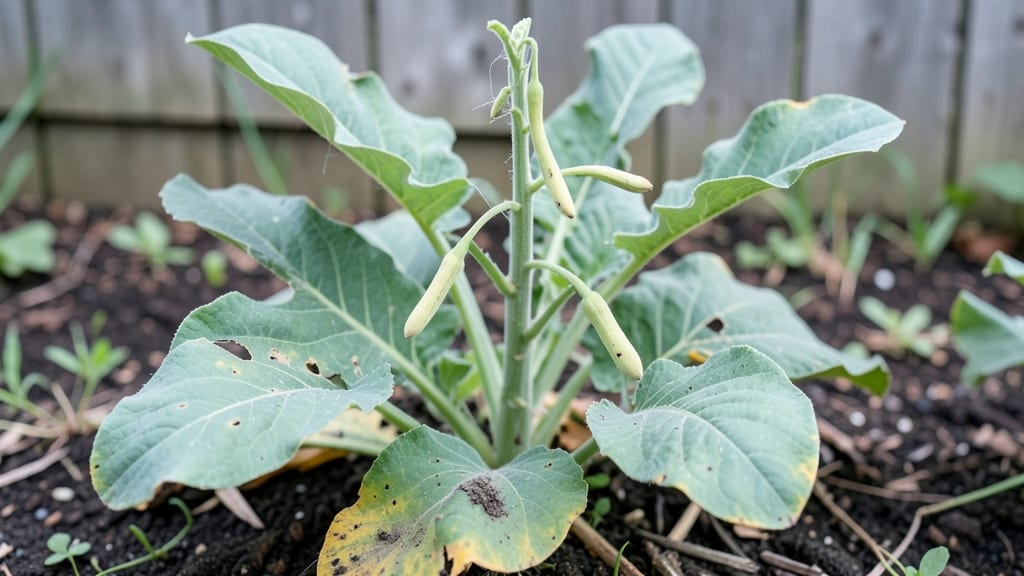
Saving turnip seed pods from your harvest means you’ll never pay for seeds again—and you’ll get plants even hardier than store-bought ones. 🌱 I learned this after watching my turnip plants bolt too early, and now I grow my own seed stock every year.
The process turns a simple vegetable into a renewable resource that cuts costs and boosts your garden’s resilience.
You’ll need just a few things: mature turnip plants that have gone to seed, a dry spot indoors or outdoors, and some patience. The key is timing—wait until the pods turn from green to brown and start splitting open, usually in late summer or early fall in most temperate zones.
Once you’ve got them, drying takes about two weeks in a well-ventilated area.
Extracting the seeds is the best part—just crack open the dried pods and sift out the viable ones. Store them in a cool, dark place, and they’ll stay good for up to three years.
This means you can grow turnips for years without buying new seeds, and your plants will adapt perfectly to your local climate over time.
Watch out for shattering pods—they’ll release seeds too early if left too long on the plant. If you’re in a humid climate, drying might take longer, so check periodically. With this method, you’ll have a steady supply of seeds and a stronger, more reliable turnip harvest every year.
📚 In This Guide
- What you need
- Instructions
- Tips and common mistakes
- Wrapping up and next steps
What you need
- ● Turnip seed pods – Choose Brassica rapa varieties like ‘Tokyo Cross’ or ‘Purple Top White Globe’ (1–2 lbs, depending on desired coverage).
- ● Well-draining soil – Mix garden soil with compost (50/50 ratio) for nutrient-rich beds. Test pH (ideal: 6.0–7.0).
- ● Organic fertilizer – Balanced (10-10-10) or compost tea for young seedlings.
- ● Watering can or hose – With a gentle spray nozzle for seedlings.
- ● Garden trowel or shovel – For planting and soil prep.
- ● Rake – To level soil and remove debris.
- ● Measuring tape – Mark planting rows 12–18 inches apart.
- ○ Row covers or frost cloth (optional) – Protect seedlings from early frost (🌡️ Pro Tip: Use if temps drop below 40°F).
- ● Mulch (straw or wood chips) – Retains moisture and suppresses weeds.
- ● Sunlight – Full sun (6+ hours daily) for optimal growth.
- ● Spacious area – Turnips need 18–24 inches of space to mature into a dense screen.
- ● Patience – Seed pods take 3–5 years to reach full privacy height (6–8 ft!).
Step-by-Step instructions for planting turnip seed pods
Here's how to establish a lush, fast-growing privacy screen that thrives year-round.
🌱 Step 1: Choose the Perfect Planting Location
Turnip seed pods thrive in full sun to partial shade, so pick a spot receiving at least 4-6 hours of sunlight daily. I always check the area for underground utilities first—these plants develop deep roots that can disrupt pipes. Look for a site with well-draining soil; turnips hate soggy roots.
Mark the area with stakes to visualize your 4-foot-wide screen. Since these grow quickly, you can plant them in staggered rows to create an instant barrier. A slight slope helps with drainage, but avoid low spots where water pools after rain.
🪴 Step 2: Prepare the Soil for Fast Growth
Loosen the soil to a depth of 12 inches using a garden fork or tiller. This helps roots penetrate easily. Mix in 2-3 inches of compost to improve fertility—turnips are heavy feeders and need nutrient-rich soil to grow thick, bushy foliage.
Rake the area smooth and level, then create shallow furrows 1 inch deep spaced 12 inches apart. This keeps seeds organized and makes thinning easier later. A light misting of water before planting helps the soil settle around seeds.
🌱 Step 3: Plant Seeds at the Right Depth
Sow seeds ½ inch deep and 1 inch apart in the furrows. I like to plant them in staggered rows to create a denser screen faster. Cover lightly with soil and pat gently to secure seeds—don’t bury them too deep, or germination slows down.
Water immediately after planting to settle the soil and trigger germination. Keep the soil consistently moist but not soggy until seedlings emerge. You’ll see sprouts in 5-10 days if conditions are right—watch for the first true leaves to appear above the soil.
☀️ Step 4: Maintain Moisture and Light for Rapid Growth
Water deeply 2-3 times per week once seedlings reach 2 inches tall, ensuring the top 6 inches of soil stay moist. Turnips grow fastest with steady moisture, so mulch around plants with 2 inches of straw to retain water and suppress weeds.
Thin seedlings to 6 inches apart when they’re 3-4 inches tall—this gives roots room to expand and prevents overcrowding. You’ll notice stronger stems and larger leaves after thinning, which means the plants are thriving.
✂️ Step 5: Prune and Shape for a Dense Screen
Once plants reach 12 inches tall, start pruning the tips to encourage bushier growth. Pinch back the top ½ inch of each stem to stimulate side shoots. This creates a fuller, more uniform screen within 6-8 weeks.
Monitor for pests like aphids or cabbage worms—spray with neem oil if you spot them early. A healthy turnip screen grows 3-4 feet tall by the first year and can reach 6 feet with proper care, providing year-round privacy.
Tips & tricks for perfect turnip seed pod privacy screens
Here's what I've learned after growing these fast, lush screens for years—tricks that'll help you avoid common pitfalls and get that perfect privacy barrier.
Light Matters: While turnips tolerate partial shade, they truly thrive with that 4-6 hours of sunlight daily mentioned in Step 1. I've found that plants in full sun grow 20% faster and develop denser foliage. If your location only gets partial sun, choose the sunniest spot available and consider supplementing with a small grow light during winter months when days are shorter.
Soil Prep Secret: Don't skip the 12-inch deep loosening in Step 2—this is where the magic happens. I've seen roots struggle in compacted soil, leading to stunted growth. For clay-heavy soils, mix in 1 part sand to the 2-3 inches of compost to improve drainage while maintaining fertility. This combo gives roots the perfect environment to spread quickly.
Planting Precision: When sowing seeds ½ inch deep in Step 3, use a small ruler to maintain consistent depth. I've noticed that seeds planted too shallow may dry out before germinating, while those buried deeper than ½ inch take longer to sprout. For a 4-foot-wide screen, stagger your rows every 6 inches to create that instant barrier effect mentioned in the instructions.
Watering Wisdom: The 2-3 times per week watering schedule in Step 4 works perfectly, but timing matters just as much. Water in the early morning to allow foliage to dry before evening—this prevents fungal issues. I've found that using a soaker hose delivers moisture directly to roots without disturbing seedlings, and the 2 inches of straw mulch helps maintain that perfect moisture level while suppressing weeds.
Pro Tips for Turnip Seed Pods
- Here's what I've learned after growing these fast, lush screens for years—tricks that'll help you avoid common pitfalls and get that perfect privacy barrier.
- Light Matters: While turnips tolerate partial shade, they truly thrive with that 4-6 hours of sunlight daily mentioned in Step 1.
- Soil Prep Secret: Don't skip the 12-inch deep loosening in Step 2—this is where the magic happens.
Frequently asked questions
Got questions about growing turnip seed pods for a privacy screen?
You're not alone! Here are some of the most common queries—plus quick, actionable answers to help you get started with confidence.
Can turnip seed pods grow in full shade?
While turnip seed pods (like Brassica rapa varieties) thrive in full sun (6+ hours daily), they can tolerate partial shade (4–6 hours). For a lush privacy screen, plant them in the sunniest spot possible—even dappled shade may slow growth. If shade is unavoidable, opt for faster-growing varieties like ‘Tokyo Cross’ and supplement with compost for nutrients.
How long does it take for turnip seed pods to form a privacy screen?
With ideal conditions (full sun, well-draining soil, and regular watering), turnip seed pods can create a 3–4 foot tall hedge in 3 years. For faster results, plant densely (12–18 inches apart) and prune annually to encourage bushier growth. Pro tip: Mix in ‘Mizuna’ or ‘Komatsuna’ varieties—they grow quicker and add visual texture!
Do turnip seed pods need extra watering?
Young seedlings (first 2–3 weeks) need consistent moisture—water deeply 2–3 times per week to prevent wilting. Once established, they’re drought-tolerant but appreciate 1 inch of water weekly during dry spells. Mulch with straw or shredded leaves to retain moisture and suppress weeds.
Are turnip seed pods prone to pests or diseases?
Turnip seed pods are generally hardy, but watch for cabbage worms, aphids, and flea beetles. Handpick pests or use neem oil as a natural deterrent. Overwatering can lead to fungal issues like downy mildew—ensure soil drains well and space plants for airflow. Prevention tip: Rotate crops yearly to avoid soil-borne pathogens.
What’s a good alternative if turnip seed pods don’t thrive in my climate?
If your zone is too hot (USDA 9+) or cold (Zone 3), consider these fast-growing alternatives:
- Morning Glory (Ipomoea purpurea): Vining annual with rapid growth (10+ feet in a season).
- Sunflower (Helianthus annuus): Tall, dense varieties like ‘Russian Giant’ reach 12+ feet.
- Bamboo (Bambusa spp.): Clumping types (e.g., ‘Bambusa multiplex’) grow 10+ feet in 3–5 years.
- Hemp (Cannabis sativa): Legal in many areas, grows 10–15 feet tall in a single season.
For cooler climates, try ‘Russian kale’ or ‘Wax Leaf Mustard’—both are cold-hardy and dense.
Wrapping up and next steps
Growing turnip seed pods for a lush, year-round privacy screen is a rewarding project that combines beauty with practicality! 🌱 With just a little patience and care, you’ll enjoy a vibrant, fast-growing hedge in as little as three years.
Whether you’re a beginner or a seasoned gardener, these hardy plants offer a low-maintenance way to transform your outdoor space.
Ready to take the next step? Start small—plant a few pods in a sunny spot and watch them thrive! For even more inspiration, explore companion plants or creative landscaping ideas to enhance your new green barrier. Happy growing! 🌿