
Advice
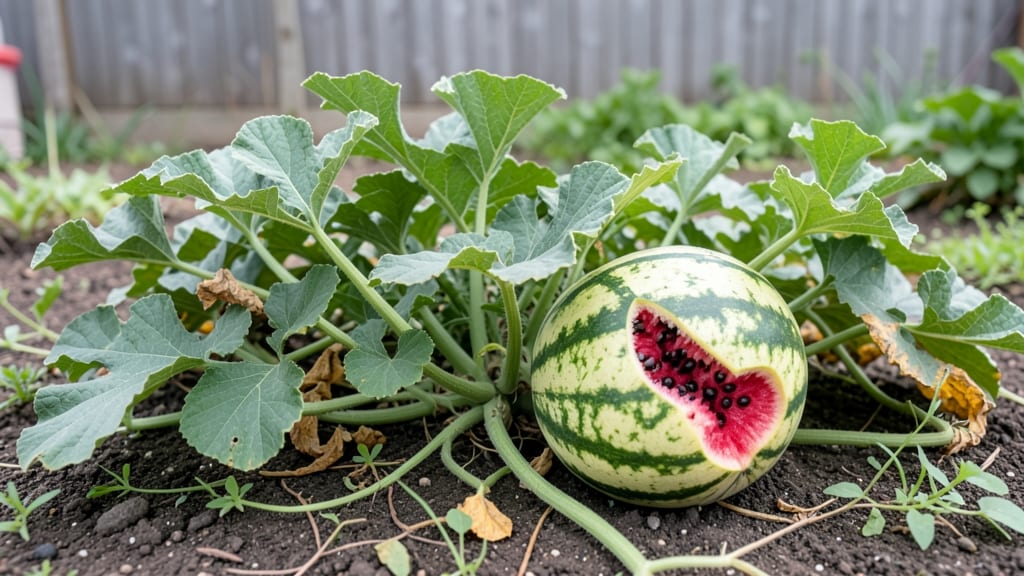
Watermelon seeds turning brown isn’t always a sign of failure—it’s often just nature’s way of telling you something important about your fruit. 🌱 I’ve seen this happen with both heirloom and hybrid varieties, and the good news is most cases aren’t cause for alarm.
The key is understanding whether those brown seeds mean your melon is overripe, stressed, or simply following its own genetic quirks.
Brown seeds can appear when the fruit matures unevenly, especially in hot summers or if the vine struggles with water or nutrients. Some heirloom varieties even develop naturally darker seeds as they age—think of it like a watermelon’s version of gray hair.
The real test? Check the flesh nearby: if it’s still crisp and sweet, those seeds are fine for planting next season. If the fruit tastes bland or mushy, though, it’s time to compost.
Here’s what you’ll learn: how to spot healthy seeds versus ones to discard, quick fixes for stressed vines, and why heirloom melons often play by their own rules.
By the end, you’ll know exactly when to harvest for the best flavor—and when to save those seeds for future gardens. Let’s troubleshoot before your harvest disappears!
This works for backyard patches, raised beds, or even container-grown melons—just adjust your watering and shading based on your setup. Whether you’re growing Black Diamond or a striped heirloom, these tips keep your seeds viable and your next crop thriving. No guesswork, just results.
Root Causes Of Seed Discoloration
If you’ve ever cracked open a watermelon expecting crisp, white seeds only to find them tinged with brown, you’re not alone. 🥒🤔 While this might seem like a cosmetic issue, the science behind it is fascinating—and often fixable.
Below, we break down the most common reasons your watermelon seeds turn brown, from genetic quirks to environmental stressors.
Watermelon seeds aren’t always white—they can be brown, black, or even striped due to their genetic makeup. Some heirloom and hybrid varieties are bred to produce darker seeds as a natural trait. For example:
- Seed coat pigments: The outer layer of seeds (the testa) contains compounds like anthocyanins or tannins, which give them a brown or reddish hue. These pigments are harmless and don’t affect taste or viability.
- Hybrid seeds: Many commercial watermelons are crossbred to prioritize traits like sweetness or disease resistance over seed color. If you’re growing a hybrid variety, brown seeds are often expected.
- Wild vs. cultivated: Wild watermelons (like Citrullus lanatus varieties) frequently have darker seeds, while modern cultivated types may have been selectively bred for lighter hues.
Actionable tip: If you’re growing from saved seeds, check the parent plant’s seed color—it’s a strong indicator of what to expect! 🌱
Watermelon seeds are sensitive to moisture levels, both in the plant and post-harvest. Extreme conditions can trigger browning through:
- Drought stress: If the watermelon vine struggles with water scarcity during seed development, the plant may produce seeds with higher concentrations of phenolic compounds (natural antioxidants that darken when exposed to air or light). This is the plant’s way of protecting the seed from damage.
- Overwatering or poor drainage: Excess moisture can lead to anaerobic conditions in the soil, causing seeds to develop off-colors due to fungal activity or uneven nutrient absorption.
- Post-harvest drying: Once removed from the fruit, seeds left in humid conditions or dried too slowly can develop brown spots from enzymatic browning—a reaction where enzymes like polyphenol oxidase (PPO) react with oxygen.
Fix it: Ensure consistent soil moisture (1–1.5 inches of water per week) and harvest seeds when the rind is fully mature but still firm. Store them in a cool, dry place with good airflow to prevent browning. 💧
Watermelons are tropical plants, and their seeds thrive within a specific temperature range. Straying from this range can cause discoloration:
- Heat stress: Temperatures above 95°F (35°C) during seed development can trigger the production of stress metabolites, including brown pigments. High heat also speeds up seed maturation, sometimes leading to uneven coloration.
- Cold snaps or nighttime chills: If daytime temps soar but nights drop below 60°F (15°C), the plant may experience thermal shock, causing seeds to develop brown spots as a protective response.
- Post-harvest temperature swings: Storing seeds in a warm, then suddenly cool environment (or vice versa) can accelerate browning due to condensation and microbial growth.
Pro tip: Use row covers or mulch to stabilize soil temperatures, and avoid harvesting seeds during extreme weather. If storing, keep them in a consistent 60–70°F (15–21°C) environment. ❄️☀️
Sometimes, brown seeds aren’t just a quirk of nature—they’re a sign of pathogen activity. Common culprits include:
- Fusarium or Alternaria fungi: These soil-borne fungi can infect watermelon seeds, causing dark spots or a powdery coating. They thrive in overly wet or compacted soil.
- Bacterial soft rot: Caused by Erwinia species, this can lead to mushy, discolored seeds if the fruit rots before harvest.
- Seed-borne pathogens: If the parent plant was infected, the seeds may carry the disease internally, only revealing brown or blackened areas after germination.
Prevent it:
- Rotate crops to avoid fungal buildup.
- Use sterilized soil or disease-resistant varieties.
- Harvest watermelons before overripening to prevent bacterial spread.
If you suspect infection, test seeds by planting a few—healthy seeds will sprout normally, while infected ones may rot or fail to germinate. 🦠🚫
Understanding why your watermelon seeds turn brown is the first step to preventing it. Whether it’s genetics, environmental stress, or unseen pathogens, each cause has a targeted solution. Next, we’ll explore how to reverse or avoid browning for a perfect harvest!
Fixing Brown Watermelon Seeds Naturally
Now that you know why your watermelon seeds are turning brown, let’s tackle the solutions—quick, practical, and tailored to the root cause. Whether it’s overripe fruit, improper storage, or pest issues, these fixes will help you salvage your seeds (and even prevent future problems).
Fix: Act fast to salvage usable seeds before mold spreads.
- 🔥 Remove Damaged Sections
- Cut open the watermelon and discard any soft, mushy, or moldy areas (they’ll contaminate healthy seeds).
- Use a sterilized knife (wipe with rubbing alcohol) to avoid cross-contamination.
- 🍳 Rinse and Clean Gently
- Scoop out seeds and rinse them in cool water to remove pulp and bacteria.
- Soak for 10–15 minutes in a 1% bleach solution (1 part bleach to 9 parts water) to kill mold spores.
- Pro Tip: 💡 Never soak seeds in plain water—it encourages mold growth!
- 👨🍳 Dry Thoroughly
- Spread seeds on a clean, dry paper towel or seed drying tray in a well-ventilated area (avoid direct sunlight).
- Stir occasionally for 2–3 days until completely dry and hard (no moisture left).
- Warning: ⏰ Don’t rush drying—moist seeds mold faster!
- 🥘 Store Properly
- Once dry, transfer seeds to an airtight container with a desiccant packet (or silica gel).
- Keep in a cool, dark place (like a pantry) for 1–2 years (if stored correctly).
🔄 Prevention for Next Time:
- Harvest watermelons at peak ripeness (check for a dull thump when tapped).
- Store whole melons in a cool, dry place (50–55°F) for 1–2 weeks max.
- Avoid cutting melons too early—let them ripen fully on the vine first.
Fix: Sanitize and protect your seeds before they spoil.
- 🔪 Inspect and Discard Infested Seeds
- Check for weevils, mold, or discoloration—toss any seeds with holes, chew marks, or fuzzy growth.
- Quick Test: 🌡️ Float test—healthy seeds sink; bad ones float.
- 🧼 Deep-Clean with Vinegar or Hydrogen Peroxide
- Soak seeds in 3% hydrogen peroxide (1 part peroxide to 3 parts water) for 10 minutes to kill fungi.
- Alternative: A vinegar rinse (1:3 ratio) can help, but rinse well afterward to avoid acidity.
- ✨ Treat for Weevils (If Present)
- Place seeds in a freezer for 48 hours to kill weevil eggs/larvae.
- Optional: 🎯 Diatomaceous earth (food-grade) can be sprinkled lightly on dried seeds to deter pests.
- 📦 Store in Pest-Proof Containers
- Use glass jars with tight lids or metal tins (pests chew through plastic).
- Add a bay leaf or clove (natural repellents) inside the container.
🔄 Prevention for Next Time:
- Plant disease-resistant watermelon varieties (e.g., ‘Sugar Baby’ or ‘Crimson Sweet’).
- Rotate crops to prevent soil-borne fungi.
- Use row covers early in the season to block pests.
Fix: Adjust your drying process to preserve seed quality.
- 🍯 Ferment the Seeds (For Viability Boost)
- Mix seeds with water in a jar (1:1 ratio) and let ferment for 2–3 days (scrap foam daily).
- Why? Fermentation enhances germination and removes mold risks.
- Rinse and dry as usual after fermenting.
- 🔥 Use Low Heat for Drying (If Needed)
- If humidity is high, dry seeds at 80–90°F (27–32°C) in an oven or dehydrator (prop door open for airflow).
- Avoid high heat—it cracks seeds and reduces germination rates.
- 🌬️ Improve Airflow During Storage
- Store seeds in a breathable fabric bag (like muslin) inside an airtight container to reduce moisture buildup.
🔄 Prevention for Next Time:
- Dry seeds in a well-ventilated, shaded area (avoid attics or garages with high heat).
- Use a hygrometer to monitor humidity—ideal drying humidity is 40–60%.
Final Tip: 🌟 Test a few seeds before storing the whole batch—plant a small sample to check germination rates. If they sprout well, your batch is good to go!
Now you’re equipped to rescue your seeds and prevent future browning—no wasted harvest here! 🚀
Frequently asked questions
Are brown watermelon seeds always bad for planting?
Not necessarily! Many heirloom varieties naturally produce brown or black seeds due to genetic pigments like anthocyanins. These seeds are often just as viable as white ones. Only discard seeds that are shriveled, moldy, or have visible damage from pests.
Can I still eat watermelon with brown seeds?
Absolutely—brown seeds don’t affect taste or safety! The flesh quality matters more. If the fruit is firm, sweet, and free of mold, those seeds are perfectly edible. Just avoid any mushy or fermented sections near the seeds.
How do I tell if brown seeds are from stress vs. genetics?
Check the parent plant: if your watermelon variety is known for dark seeds (like 'Moon and Stars'), browning is normal. For stress-related browning, look for other signs—like uneven ripening, cracked rinds, or yellowing vines—which indicate moisture or heat issues.
Will drying seeds faster prevent browning?
No—rushing drying actually increases browning! Slow, even drying (2-3 days in airflow) prevents enzymatic reactions that cause discoloration. Use a fan or well-ventilated area, but avoid direct sun or heat sources that can cook the seeds.
Can I save seeds from a watermelon with brown spots?
Only if the spots are just cosmetic (like surface browning). Discard seeds from any fruit showing soft rot, mold, or weevil damage. For questionable seeds, do a germination test by planting 5-10 seeds—if 80%+ sprout, they're likely safe to store.