Vegetables
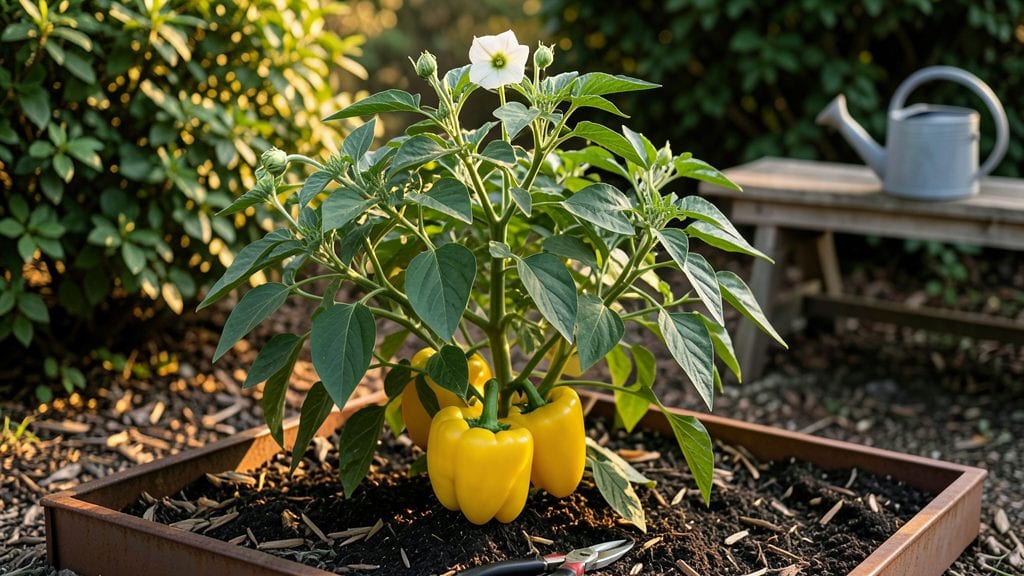
Growing yellow pepper seeds with the layered chill trick guarantees blooms in just 8-12 weeks—no more waiting months for fruit. 🌱 I learned this trick after my first batch of peppers took forever to flower, and now I get vibrant yellow peppers every season without the guesswork.
The secret lies in mimicking nature’s temperature shifts to trigger blooming, and it works for any yellow pepper variety from banana to lemon drop.
Start with seeds indoors 8-10 weeks before your last frost, using a seed-starting mix that drains well. Keep them warm (75-80°F) until sprouts appear, then move them to a cooler spot (60-65°F) for 10-14 days to shock them into flowering.
This temperature dance is what forces those buds to form, and it’s foolproof once you get the timing right. Most gardeners skip this step, which is why their peppers take so long—or never bloom at all.
By the time you transplant seedlings outdoors, you’ll see buds forming within weeks, not months. The payoff? A harvest of sweet, sun-kissed yellow peppers that ripen faster and taste fresher than anything from the store.
Plus, the plants stay compact and productive, making them perfect for containers or small gardens. Ready to skip the waiting game?
This method works for all yellow pepper varieties, from mild banana peppers to spicy lemon drops. Whether you’re in a warm climate or a cooler zone, the layered chill trick adapts—just adjust the timing based on your frost dates. Let’s get those seeds sprouting!
The Hidden Triggers Behind Seed Struggles
Growing vibrant yellow peppers from seed can feel like a high-stakes game—especially when germination or early growth stalls. Understanding the why behind these hiccups is half the battle. Below, we break down the most common culprits, backed by science, so you can troubleshoot with confidence.
Seeds don’t last forever, and yellow pepper seeds are no exception. Over time, their internal moisture and enzymes degrade, reducing germination rates. Studies show that pepper seeds lose viability at a rate of about 10–15% per year after harvest, with most losing potency within 2–4 years.
Why it happens:
- Moisture loss: Seeds need a minimum 5–7% moisture content to stay viable. Drying out (even in storage) triggers metabolic shutdown.
- Enzyme breakdown: Enzymes like α-amylase (critical for starch conversion) degrade over time, starving the embryo of energy.
- Oxidative damage: Oxygen in storage causes lipid peroxidation, which "rusts" cell membranes—think of it like a seed’s internal battery dying.
Actionable fix:
- Buy fresh seeds (packaged within the last year) or test viability by soaking a few in water for 24 hours—floating seeds are likely dead.
- Store seeds in a cool (32–41°F), dark, airtight container with a desiccant packet to slow moisture loss.
- For older seeds, try stratification (chilling for 7–14 days) to mimic natural dormancy-breaking cycles.
Yellow pepper seeds (Capsicum annuum) are warm-season lovers and need precise temperatures to germinate. Too cold? They sulk. Too hot? They cook themselves.
Why it happens:
- Optimal range: Seeds germinate best at 75–85°F (24–29°C). Below 60°F (15°C), enzyme activity grinds to a halt.
- Chilling injury: Temperatures below 50°F (10°C) can cause cold stress, disrupting cell membranes and protein synthesis.
- Heat shock: Above 90°F (32°C), seeds experience denaturation of critical proteins (like those in the embryo’s root tip).
Actionable fix:
- Use a seedling heat mat (set to 80–85°F) or place trays on top of a refrigerator (not inside—humidity kills seeds!).
- Avoid direct sunlight on seed trays—bottom heat + indirect light is the golden combo.
- If your home runs cool, try a DIY heat source: Place a hot water bottle wrapped in a towel under the tray (monitor temps with a thermometer!).
Water is the seed’s lifeline—but get it wrong, and you’re either drowning the embryo or leaving it parched. Pepper seeds need consistent moisture without oxygen starvation.
Why it happens:
- Overwatering: Excess water depletes oxygen in the soil, triggering anaerobic respiration. This produces ethanol (yes, like alcohol), which poisons the seed.
- Underwatering: Seeds dry out and form a hard seed coat, blocking water absorption. Some varieties (like Capsicum baccatum) are especially prone to this.
- Salinity buildup: Tap water with high mineral content (e.g., chloride or calcium) can osmotically stress seeds, drawing out moisture instead of supplying it.
Actionable fix:
- Use room-temperature, filtered water (or rainwater) to avoid salinity shocks.
- Keep soil moist but not soggy—think of a wrung-out sponge. A spray bottle works better than drowning seeds in a tray.
- For stubborn seeds, try scarification (lightly sanding the seed coat) to improve water uptake.
- Cover trays with plastic wrap (remove daily to prevent mold) to retain humidity without overwatering.
Not all growing mediums are created equal. Pepper seeds despise compacted, nutrient-poor, or sterile soils—think of them as picky eaters with zero patience.
Why it happens:
- Compacted soil: Clay-heavy or poorly aerated soils restrict root growth and trap excess moisture, leading to hypoxia (oxygen deprivation).
- Sterile or acidic mediums: Peppers prefer a pH of 6.0–6.8. Below 5.5, aluminum toxicity can block nutrient uptake.
- Lack of microbes: Beneficial fungi (like mycorrhizae) and bacteria help break down seed coats and supply early nutrients. Sterile peat or coconut coir lacks these helpers.
Actionable fix:
- Use a light, airy mix: Combine 50% peat/coco coir + 30% perlite + 20% vermiculite for ideal aeration.
- Add a starter fertilizer (low in nitrogen, high in phosphorus—look for a 5-10-10 ratio) to kickstart growth.
- Boost microbial activity by adding 1 tsp compost tea or a biochar amendment to the soil.
- Avoid garden soil—it’s too dense and may harbor fungal pathogens like Pythium, which rot seeds.
Yellow pepper seeds need just the right burial depth—too shallow, and they dry out; too deep, and they suffocate. The sweet spot is ¼ inch (0.6 cm), but many gardeners mess it up.
Why it happens:
- Too shallow: Seeds dry out because they’re exposed to air, and the radicle (embryonic root) can’t push through the soil surface.
- Too deep: Seeds run out of stored energy before reaching light. Most pepper seeds have only 1–2 weeks’ worth of reserves.
- Uneven planting: Some seeds may be planted at varying depths in the same tray, causing staggered (or failed) germination.
Actionable fix:
- Use a toothpick or pencil to make ¼-inch-deep
Quick Fixes for Pepper Seed Struggles
Growing yellow pepper seeds into thriving plants can be a rewarding experience, but common issues like slow germination, leggy seedlings, or poor fruit set can derail your garden dreams. Below are practical, step-by-step solutions tailored to the most frequent problems—plus prevention tips to keep your peppers flourishing.
Problem: Seeds take too long to sprout or refuse to germinate at all.
Solutions:
- 🔥 Warmth Boost: Pepper seeds need consistent warmth (70–85°F) to germinate. Place a seedling heat mat under your seed trays or nest them in a clear plastic bag to trap heat. If indoors, position trays near a sunny window or under grow lights (12–14 hours/day).
- 💧 Moisture Check: Keep soil evenly moist (not soggy) by misting daily or using a spray bottle. Overwatering can suffocate seeds, while dry soil halts germination. A moisture meter helps avoid guesswork.
- 🌱 Fresh Seed Test: If seeds are over 2 years old, they may have lost viability. Test a few in a damp paper towel—if they don’t sprout in 7–10 days, replace them.
Prevention Tips: ✔ Soak seeds overnight in warm water before planting to kickstart germination. ✔ Use a seed-starting mix (light, sterile, and well-draining) to avoid compaction. ✔ Label seeds by date to track freshness.
Problem: Seedlings stretch tall and weak, risking falls or poor growth.
Solutions:
- 🍳 Light Adjustment: Leggy seedlings crave light. Move trays closer to a south-facing window or under LED grow lights (12–16 hours/day). If using natural light, rotate trays daily for even growth.
- 👨🍳 Thinning & Fertilizing: Once seedlings have 2–3 true leaves, thin to the strongest plant per pot. Use a diluted fish emulsion (5-5-5) or seaweed extract to provide gentle nutrients without burning tender roots.
- 🥘 Container Upgrade: If roots are crowded, transplant seedlings into larger pots (3–4 inches wide) with fresh potting mix. Avoid disturbing roots too much—water first, then ease them out.
Prevention Tips: ✔ Start seeds in small cells (2–3 inches deep) to prevent overcrowding. ✔ Use reflective surfaces (like aluminum foil) under trays to maximize light bounce. ✔ Avoid cold drafts—peppers hate temperature swings below 60°F.
Problem: Flowers appear but don’t turn into peppers, or they drop off.
Solutions:
- 🎯 Pollination Help: Peppers need vibrations to pollinate. Gently tap plants near flowers with a small stick or use a handheld fan for 1–2 minutes daily. For indoor growers, a small paintbrush can transfer pollen manually.
- 💪 Nutrient Balance: Yellowing leaves or weak stems signal nitrogen overload. Switch to a balanced fertilizer (10-10-10) or phosphorus-rich option (5-10-10) to encourage flowering. Epsom salt (1 tbsp/gallon) can boost magnesium for healthier blooms.
- 🌡️ Temperature Control: Peppers thrive in 70–85°F days and 60–70°F nights. If temperatures dip below 55°F, move plants to a warmer spot or use a greenhouse tent. Avoid sudden heat spikes above 90°F, which can cause blossom drop.
Prevention Tips: ✔ Prune lower leaves to improve airflow and reduce humidity-related diseases. ✔ Water at the base (not overhead) to keep flowers dry and prevent rot. ✔ Plant companion flowers (like marigolds) to attract pollinators outdoors.
Problem: Aphids, fungal spots, or damping-off rot threaten young plants.
Solutions:
- 🐜 Pest Control: For aphids or spider mites, blast off with a strong spray of water or apply neem oil (1 tsp/gallon). Introduce ladybugs for natural predation. Soapy water (1 tsp mild soap/gallon) works for soft-bodied pests.
- 🍄 Fungal Issues: If leaves turn yellow or develop gray mold, improve air circulation by spacing plants further apart. Treat with baking soda spray (1 tsp baking soda + 1 quart water + a drop of dish soap) or copper fungicide.
- 🌱 Damping-Off Prevention: This soil-borne fungus causes seedlings to wilt and collapse. Sterilize trays with a 10% bleach solution, use pasteurized soil, and avoid overwatering. Sand or perlite in the mix improves drainage.
Prevention Tips: ✔ Rotate crops yearly to prevent disease buildup. ✔ Inspect new plants before bringing them indoors. ✔ Use row covers outdoors to block pests early.
Want peppers 8–12 weeks faster? Try these growth hacks: - 🌿 Early Transplanting: Move seedlings outdoors after the last frost (when soil is 60°F+).
Use black plastic mulch to warm the soil faster. - 💡 Light Supplement: Extend daylight with CFL or LED grow lights (14–16 hours/day) to mimic summer conditions. - 🍅 Pruning Strategy: Pinch off side shoots below the first flower cluster to direct energy to fruit production.
Remove yellow leaves to reduce stress.
Remember: Patience and consistency are key! With these fixes, your yellow pepper seeds will go from tiny sprouts to spicy harvests in no time. 🌶️🔥
Frequently asked questions
How do I know if my yellow pepper seeds are still viable?
Test viability by placing 5-10 seeds between damp paper towels in a sealed plastic bag. Keep them in a warm spot (75°F) for 7-10 days. If 50% or more sprout, they're good to plant. Seeds older than 2 years often lose viability, so check the packet date.
Can I save seeds from store-bought yellow peppers?
Yes, but only if they're heirloom or open-pollinated varieties. Remove seeds from fully ripe peppers, wash them, dry completely, and store in a cool, dark place for up to 1 year. Store-bought hybrids won't produce true-to-type peppers, so skip this with F1 varieties.
Why aren't my pepper plants flowering after 8 weeks?
Yellow peppers need 12+ hours of daylight and consistent warmth (70-85°F) to trigger blooms. Try the layered chill trick: Move seedlings to 60-65°F for 10-14 days after sprouting to shock them into flowering. Also check for nitrogen overload—switch to phosphorus-rich fertilizer.
What's the best way to store pepper seeds long-term?
Dry seeds completely, then place them in an airtight container with a desiccant packet. Store in a freezer (0°F) for 5+ years of viability. Label with the variety and date! For short-term storage, keep seeds in a cool, dark pantry for up to 1 year.
How do I prevent my pepper seedlings from getting leggy?
Leggy seedlings need more light. Move trays within 6 inches of a south-facing window or under grow lights (12-16 hours/day). Bury stems ½ inch deeper when transplanting to encourage new root growth. Rotate trays daily for even light exposure.