
Featured
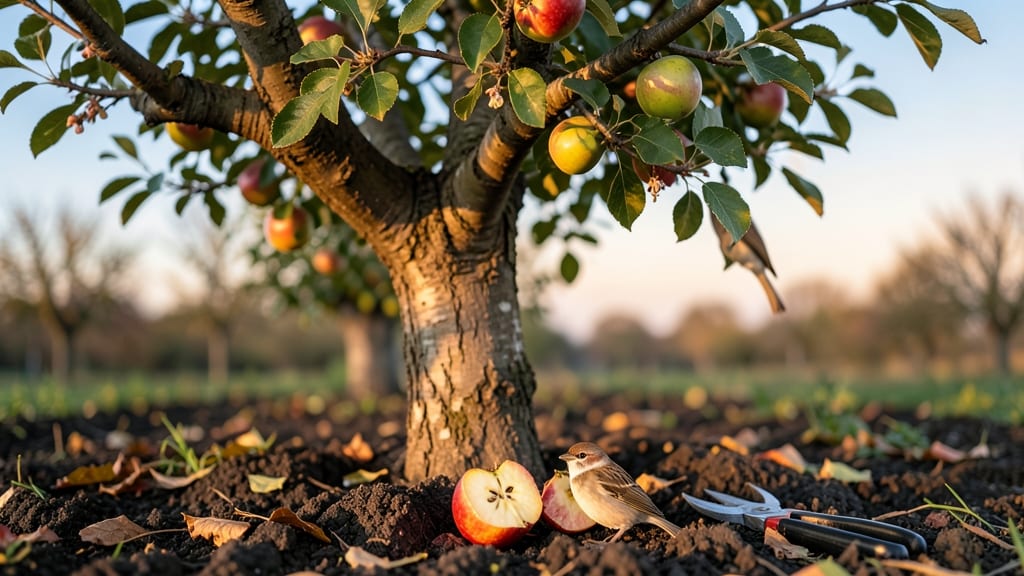
Apple seeds contain trace amounts of amygdalin, a compound that releases cyanide when metabolized. 🌟 While most birds can handle occasional exposure, the risk escalates with seed quantity or size—especially for small species like finches.
The cyanide threat isn't just theoretical: even a few seeds could cause digestive upset or worse in sensitive birds. Instead of seeds, opt for apple flesh, berries, or other bird-safe fruits that provide better nutrition without hidden dangers.
For gardeners, this means discarding seeds before offering apple scraps to backyard birds. A simple solution is to mash seedless apple pieces into suet feeders or scatter them on platforms. This way, you're giving birds a tasty treat while keeping them safe from potential toxicity.
💡 In This Article
- Apple Seed Toxicity in Birds: The Science Behind the Risk
- Safe Fruit Alternatives for Backyard Birds
Apple seed toxicity in birds: the science behind the risk
Here's what's actually happening inside a bird when it ingests apple seeds: the seeds contain amygdalin, a cyanogenic glycoside that triggers a chemical reaction in the bird's digestive system. When metabolized, amygdalin breaks down into benzaldehyde (which gives almonds their scent) and hydrogen cyanide—the toxic component.
This process requires enzymatic activity in the bird's gut, meaning the danger increases with seed consumption. 🔥
The toxicity threshold varies dramatically by bird species. A finch, weighing just 12-15 grams, could face serious risks from as few as 3-5 seeds due to its tiny size, while a parrot might tolerate 10-15 seeds without immediate harm.
The key factor is body weight: cyanide's lethal dose is roughly 1-2 milligrams per pound of body weight. Apple seeds contain about 0.1-0.3 milligrams of cyanide per seed, making them particularly dangerous for small birds.
What most people don't realize is how seed size compounds the risk. A single apple seed is about 1 centimeter long—small enough for a sparrow to swallow whole, bypassing natural size-based rejection instincts.
Compare this to cherry pits, which are larger (1.5-2 centimeters) and harder to ingest, or sunflower seeds, which lack cyanogenic compounds entirely.
The science behind this involves both physical and chemical factors: smaller seeds are easier to consume in dangerous quantities, while their concentrated cyanide content delivers a higher relative dose.
Temperature and moisture also play subtle but critical roles in toxicity. Stored apple seeds develop higher cyanide levels over time due to enzymatic activity, while fresh seeds contain slightly less. However, the difference is minimal—both pose risks.
The safest approach is to avoid seeds entirely, especially since apple flesh offers far better nutrition: 100 grams of apple contains 52 calories and 14% of a bird's daily vitamin C needs, while seeds provide negligible benefits. 💫
Consider this comparison: a house sparrow (weighing 25 grams) would need only 2-3 seeds to reach a potentially lethal dose, while a blue jay (weighing 100 grams) could handle up to 10 seeds without immediate danger.
The variation stems from metabolic rate differences: smaller birds process toxins faster, leaving less time for detoxification. This is why seed size matters so much—smaller seeds mean higher relative doses for tiny birds.
For context, other common garden seeds fare better. Cherry pits contain similar cyanogenic compounds but are rarely ingested whole due to their size. Apricot pits are even more toxic (containing 2-4 times more cyanide per seed), while sunflower seeds are completely safe.
The lesson? When offering fruits to birds, always remove seeds and pits to eliminate this hidden risk entirely.