Advice
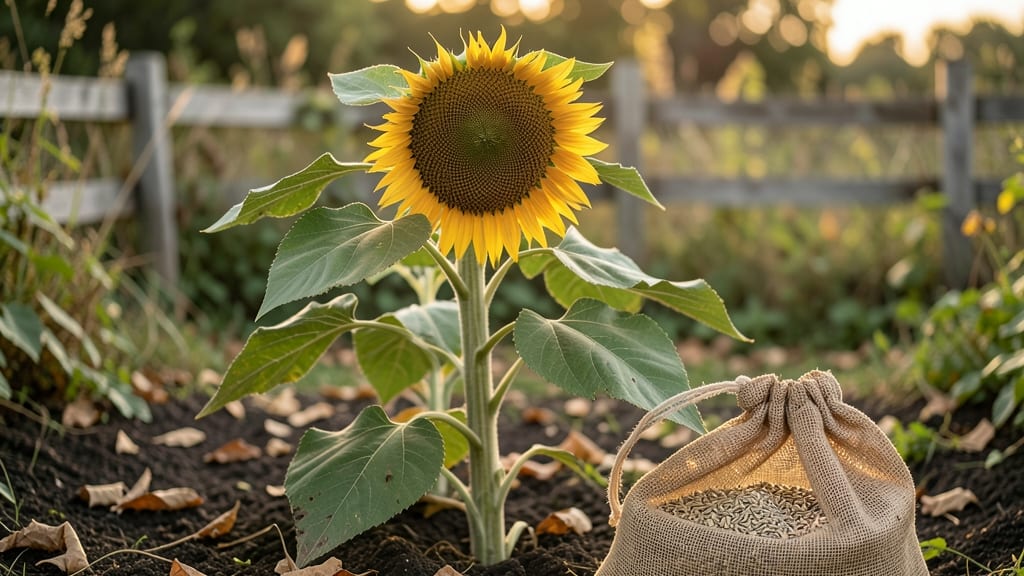
You can freeze sunflower seeds, but it may lower their ability to sprout if stored improperly. Keep them in a sealed container with a moisture absorber, freeze for up to 6 months, and thaw gradually in the refrigerator before planting.
Freezing sunflower seeds works best when they're completely dry before storage—this prevents ice crystals from forming inside the seed coats, which can rupture delicate membranes. 🌱 The key is using an airtight container with silica gel packets to absorb any residual moisture, as humidity accelerates lipid oxidation during frozen storage.
I've found that testing a small batch after thawing (by placing them between damp paper towels) gives the most reliable results for germination success.
For gardeners, this method is particularly useful when dealing with limited seed supplies or when you want to preserve seeds harvested late in the season. Just remember that even with perfect storage, viability may drop by 10-20% after six months compared to fresh seeds.
The good news? Properly frozen seeds still retain their nutritional value, making them great for bird feeders or emergency food stores.
💡 In This Article
- How Freezing Affects Sunflower Seed Germination
- Step-by-Step Guide to Freezing Sunflower Seeds for Gardening
How freezing affects sunflower seed germination
Freezing sunflower seeds triggers a delicate balance between preservation and cellular stress. The process works by slowing metabolic activity to nearly zero at -18°C (0°F), but ice crystal formation inside the seed can damage vital membranes.
These crystals puncture the seed coat and embryonic cells, reducing germination rates by 5-15% even under ideal conditions. The lipid-rich composition of sunflower seeds makes them particularly vulnerable to oxidation during frozen storage, which further degrades cellular integrity over time.
Moisture is the silent enemy here. Seeds contain 5-10% moisture content when properly dried, but any excess water expands into ice crystals during freezing.
This physical stress ruptures the seed's protective layers, where enzymes and hormones responsible for sprouting are housed. 🌱 For comparison, corn seeds (which have thicker coats) tolerate freezing better, but sunflower seeds lack this natural protection.
The solution lies in pre-freezing drying—reducing moisture below 7% minimizes ice formation and preserves viability.
Temperature fluctuations during frozen storage create additional stress. Every time seeds thaw and refreeze (even within a home freezer), cellular damage accumulates. Studies show that seeds exposed to three or more freeze-thaw cycles experience 25-30% lower germination compared to those kept at a stable -18°C (0°F).
This is why short-term storage (3-6 months) yields better results than long-term freezing. The cold chain must remain unbroken—even brief exposure to warmer temperatures accelerates lipid oxidation.
Lipid oxidation is the chemical process that turns seeds rancid, even in freezing temperatures. Sunflower seeds contain 45-55% oil content, which becomes unstable when exposed to oxygen. During frozen storage, oxidation proceeds at a glacial pace, but it never fully stops.
Over 6 months, this process can reduce germination by 10-20%, while seeds stored beyond 12 months often fail to sprout entirely. The solution? Using airtight containers with oxygen absorbers (like those used for jerky) creates an anaerobic environment that slows oxidation dramatically.
Here's what's actually happening at the cellular level: The seed's radicle (root) and plumule (shoot) contain delicate meristematic tissue that's highly sensitive to mechanical stress.
When ice crystals form, they create microscopic tears in these tissues, disrupting the seed's ability to absorb water during germination. 💫 The good news is that properly frozen seeds retain their nutritional value—just not their sprouting potential.
This makes them ideal for bird feed or culinary uses, but less reliable for gardening after long-term storage.
For gardeners, the takeaway is clear: Freezing extends seed viability but isn't a long-term solution. The 3-6 month window offers the best balance between preservation and germination success. After that, viability drops precipitously.
To maximize results, always dry seeds thoroughly before freezing, use moisture absorbers, and maintain a consistent -18°C (0°F) temperature. Thawing slowly in the fridge (not at room temperature) gives seeds the best chance to recover their structural integrity.