Trees
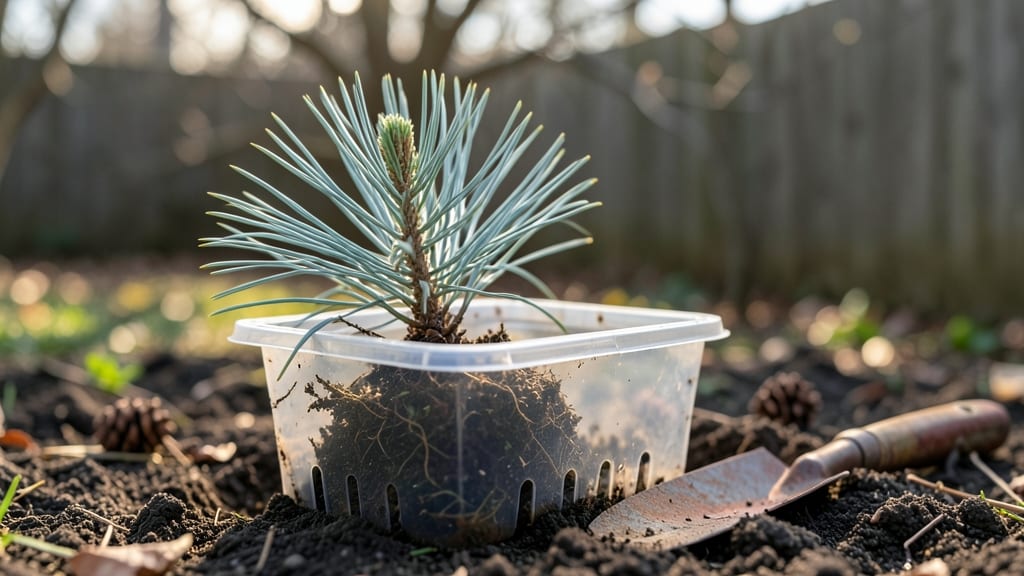
Growing pine cone seedlings starts with soaking fresh pine cones for 24-48 hours, planting them in moist, well-draining soil with a heat mat, and maintaining 70-75°F humidity with indirect light until germination (typically 4-12 weeks). Patience and consistent moisture are key for success.
Pine cones contain seeds that need a special wake-up call before they'll sprout. 🌱 The soaking step mimics natural winter conditions, breaking dormancy by softening the tough seed coat. Once planted, the heat mat simulates forest floor warmth, while humidity levels above 70% prevent seeds from drying out.
Many growers swear by covering containers with plastic wrap to create a greenhouse effect—just don't let it stay too wet, or you risk fungal issues. The indirect light requirement prevents seedlings from stretching too quickly, which weakens their stems.
What's fascinating is how these seeds time their germination. Some pine species won't sprout until they've experienced two full winters in nature—a process called double stratification. In your home setup, you can replicate this by giving seeds a second cold treatment after their initial soaking.
This patience pays off when you see those first needle-like sprouts pushing through the soil, a moment that makes the whole process worth it.
💡 In This Article
- Key Factors for Germinating Pine Cone Seeds
- Step-by-Step Pine Cone Seedling Care Guide
Key factors for germinating pine cone seeds
Pine seeds enter a state of dormancy to survive harsh forest conditions, and breaking this dormancy requires specific conditions. The 24-48 hour soaking mimics natural winter moisture that softens the hard seed coat, allowing water to penetrate.
This process, called stratification, is crucial because pine seeds often need two cold periods to germinate—first to break dormancy, then to stimulate root growth. Without this, seeds might sit in the soil for months without sprouting. 🌲
The acidic soil range (pH 4.5-6.0) replicates pine trees' natural forest floor habitat, where fallen needles create a slightly acidic environment. This pH level helps prevent fungal growth while providing the right mineral balance for early root development.
Most commercial potting mixes are too alkaline (pH 6.5+), so adding peat moss or pine bark fines helps adjust the pH. The soil must also be well-draining—pine seedlings rot quickly if their roots sit in soggy conditions, which is why perlite or sand is often mixed in.
Temperature plays a dual role in pine seed germination. The heat mat (75-85°F) at planting time simulates the warmth of decomposing forest litter, which triggers enzymatic activity in the seed. However, once roots form, cooler temperatures (60-65°F) help prevent leggy growth.
This is why many growers use a two-stage temperature approach: warm for root initiation, then cooler for shoot development. The humidity threshold of 70-75% isn't just about moisture—it creates a microclimate that reduces water loss through evaporation, which is critical for tiny seedlings with delicate vascular systems.
Light requirements might surprise you: pine seedlings need indirect light because direct sun causes photooxidation, where intense UV rays damage chlorophyll before the seedling can develop proper leaves. Think of it like sunburn for plants—too much too soon stunts growth.
The 4-12 week germination window varies by species (e.g., Pinus sylvestris often germinates in 6-8 weeks), but the key is consistency. Fluctuations in moisture or temperature can send seeds back into dormancy, which is why maintaining stable conditions is non-negotiable. 🌱
Here's what's actually happening at the cellular level: The soaking activates hydrolytic enzymes that break down storage compounds in the seed, while the warm soil triggers mitotic activity in the embryonic root tip. The high humidity prevents the seed's outer layers from drying out, which would halt this process.
What most people don't realize is that pine seeds often require a second cold period after initial germination—a process called double stratification. This mimics nature's timing, where seeds might wait until spring after a winter's rest before sprouting fully.
For those growing white pine (Pinus strobus) or loblolly pine (Pinus taeda), the seed coat is particularly tough. Some growers use a sandpaper rub on the seed coat before soaking to speed up water absorption, though this should be done carefully to avoid damaging the embryo.
The science here is fascinating: pine seeds contain abscisic acid, a growth inhibitor that keeps them dormant until conditions are perfect. Only when this hormone breaks down—through proper stratification—does the seed produce gibberellins, hormones that trigger germination. 💫