Propagation
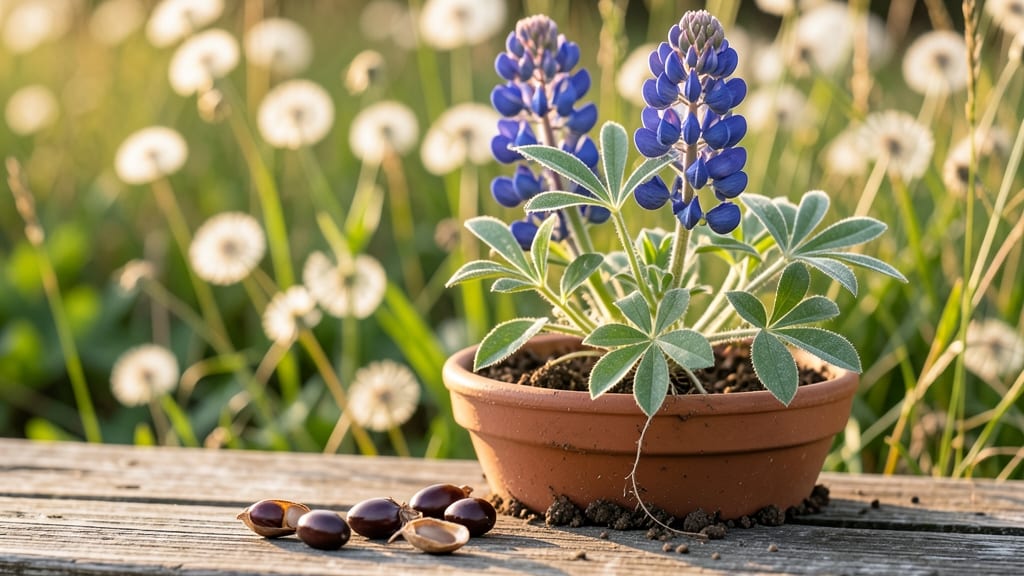
Yes, seeds can reproduce, primarily through germination where stored nutrients fuel the sprouting process, but they depend on moisture, temperature, and light to kickstart growth. Some seeds also bypass traditional reproduction via vegetative methods like runners or apomixis.
Seeds are nature's tiny powerhouses, packed with everything a new plant needs to start life.
The germination process begins when water activates enzymes that break down stored nutrients, allowing the radicle (embryonic root) to emerge first. 🌱 Without proper conditions—like consistent moisture and the right temperature range—many seeds simply won't sprout.
Interestingly, some plants, like dandelions, can produce seeds without fertilization through apomixis, creating genetically identical offspring. This dual approach gives plants flexibility in harsh environments where traditional reproduction might fail.
💡 In This Article
- How Seed Germination Triggers Plant Reproduction
- Alternative Ways Seeds Propagate Beyond Germination
How seed germination triggers plant reproduction
Germination begins when a seed absorbs water through its micropyle, swelling and activating dormant enzymes like amylases that break down starches into sugars. This process releases stored energy from the seed's endosperm (in monocots) or cotyledons (in dicots), fueling cellular respiration.
The hormone gibberellic acid plays a crucial role here—it signals the aleurone layer to produce these enzymes, creating a biochemical cascade that jumpstarts growth.
Temperature acts as a critical regulator, with most seeds requiring ranges between 50-85°F for optimal activity. For example, lettuce seeds germinate best at 60-70°F, while beans thrive at 75-85°F. Below these thresholds, enzymatic reactions slow dramatically, while above them, proteins denature.
Light also influences germination through phytochrome pigments, which detect red/far-red light ratios to determine whether conditions are favorable for seedling survival above ground.
The first visible sign of germination is the radicle emergence, when the embryonic root breaks through the seed coat. This occurs within 24-72 hours under ideal conditions, as the radicle grows downward to anchor the plant while absorbing water and nutrients.
The shoot (plumule) follows, pushed upward by the growing root's pressure. What's fascinating is that some seeds, like those of the strangler fig, can remain dormant for decades until triggered by fire or mechanical damage.
Dormancy-breaking mechanisms vary by species. Some seeds require scarification (physical abrasion) to weaken their hard coats, while others need stratification (cold, moist conditions) to simulate winter. The hormone abscisic acid maintains dormancy until environmental cues override it—like the 30-60 days of cold treatment needed for apple seeds.
This dual hormonal control ensures seeds only germinate when survival odds are highest.
Consider the African baobab tree, whose seeds can remain viable for 100 years while waiting for the right conditions. Their germination relies on heavy rainfall triggering both water uptake and microbial activity in the soil, creating the perfect biochemical environment.
This extreme longevity demonstrates how seeds have evolved sophisticated mechanisms to survive environmental extremes while waiting for optimal reproduction windows.
For gardeners, understanding these triggers means selecting seeds matched to your climate. For instance, tomato seeds germinate best at 70-80°F with consistent moisture, while spinach seeds prefer cooler 50-60°F temperatures.
The key is replicating the seed's native conditions—whether that means using a heat mat or providing shade cloth for light-sensitive varieties.