
Flowers
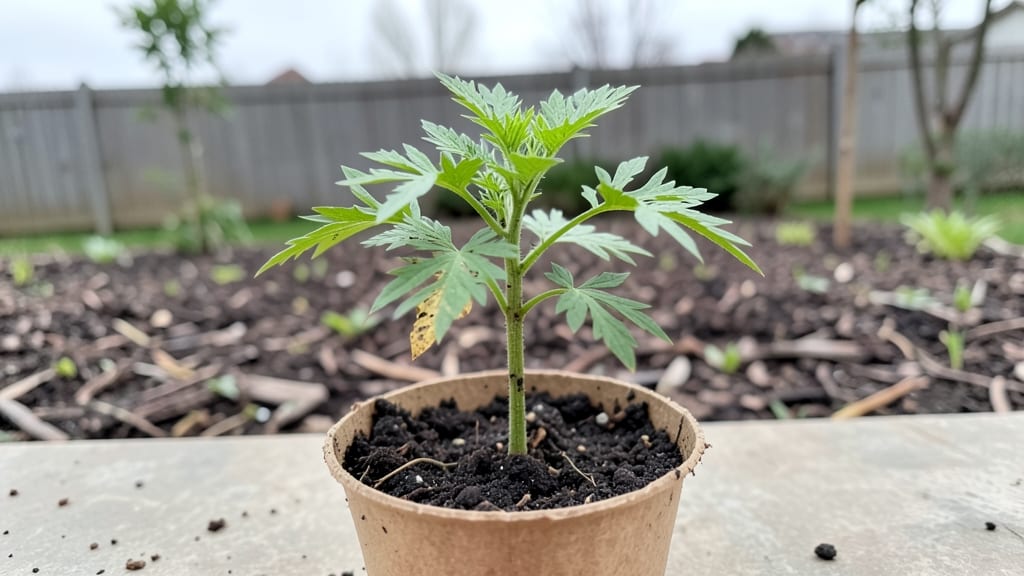
Growing cosmos flower seedlings means sunny border blooms in just 60 days—and I’ve learned the exact tricks to skip the common pitfalls that slow down growth. 🌻 The first time I grew cosmos, my seedlings took forever to sprout, but now I know the secret: they thrive when treated like fast-growing, drought-loving wildflowers, not fussy annuals.
You’ll need lightweight, well-draining soil mixed with compost, a sunny spot with at least 6 hours of direct light daily, and patience for their quick but lanky early growth.
The key is keeping them evenly moist—not soggy—until they develop their first true leaves, then letting the soil dry slightly between waterings. Overwatering is their #1 enemy, but once established, they practically grow themselves.
By day 60, you’ll have towering stems topped with those signature daisy-like blooms in shades of pink, white, or deep red. The flowers attract pollinators all season, and the plants keep producing until frost. The best part? They self-seed like crazy, so next year’s garden practically plants itself.
Works in borders, containers, or even as cut flowers—just give them space to sprawl. Here’s how to get them from seed to showstopper in record time without the usual struggles.
📚 In This Guide
- What you need
- Instructions
- Tips and common mistakes
- Wrapping up and next steps
What you need
- ● Cosmos flower seeds: 10–20 seeds (choose Cosmos bipinnatus or Cosmos sulphureus for best results).
- ● Seed-starting mix: 2–3 cups of sterile, well-draining potting soil (avoid garden soil—it’s too dense!).
- ● Seed trays or small pots: 2–4 biodegradable or plastic cell packs (2–3 inches deep).
- ● Watering can or spray bottle: With a fine mist nozzle (gentle watering is key!).
- ○ Clear plastic dome or plastic wrap: To create a mini greenhouse effect (optional but helpful).
- ● Grow lights or sunny windowsill: A south-facing window or a 12–16 hour daily light source (LED grow lights work great!).
- ● Small hand trowel or spoon: For planting seeds gently.
- ● Plant labels & markers: To track seed varieties (trust us, you’ll forget!).
- ○ Fertilizer (optional): A balanced, water-soluble fertilizer (5-5-5 or 10-10-10) for when seedlings sprout.
- ● Outdoor space (after transplanting): A sunny border or garden bed with at least 6 hours of sunlight daily.
- ● Patience & joy! 🌸 Cosmos grow fast, but consistency is key.
Step-by-step instructions for growing cosmos flower seedlings
Here's how to nurture cosmos from seed to vibrant border blooms in just two months.
🌱 Step 1: Start Seeds Indoors for Early Blooms
Fill your 4-inch seed trays with seed-starting mix (never garden soil—it's too dense). Cosmos seeds are tiny, so I like to sprinkle them directly onto the surface without covering. Press them lightly into the mix so they make contact but don't bury them—light triggers germination.
Mist the surface with a spray bottle until the mix feels evenly damp, like a wrung-out sponge. Place the tray in a warm spot (70-75°F) under a grow light positioned 2-3 inches above. You'll see the first sprouts in 7-10 days—watch for tiny green leaves peeking through the soil.
💧 Step 2: Thin Seedlings and Transition to Larger Pots
Once seedlings have 2-3 true leaves (not the initial seed leaves), thin them so only the strongest remains in each cell. Use scissors to snip unwanted sprouts at soil level—pulling risks disturbing roots. This ensures your cosmos develop sturdy stems instead of competing for space.
After thinning, transplant each seedling into a 4-inch pot filled with potting mix. Water gently at the base to avoid disturbing roots, and place them under bright light for 12-14 hours daily. You'll notice new leaves emerging within 5-7 days—this signals healthy growth.
☀️ Step 3: Harden Off and Prepare for Outdoor Planting
Two weeks before your last frost date, start hardening off seedlings by placing them outside in partial shade for 1-2 hours the first day. Gradually increase exposure over 7-10 days, moving them to full sun by day 7. Cosmos thrive in direct sunlight, so this prepares them for their final home.
Choose a sunny border spot with well-draining soil and space them 12-18 inches apart. Plant at the same depth as their current pots, and water deeply to settle the roots. You'll see fresh growth within 3-5 days—a sign they're establishing.
✂️ Step 4: Maintain for Continuous Blooms
Water cosmos deeply once a week (or more in extreme heat) to encourage strong root growth. They're drought-tolerant once established, but consistent moisture prevents leggy stems. Deadhead spent blooms by snipping stems just above a set of leaves—this redirects energy to new flowers.
Fertilize lightly with balanced fertilizer every 4-6 weeks during the growing season. Cosmos rarely need extra nutrients, but a boost mid-season ensures vibrant blooms. You'll enjoy nonstop color from early summer until frost if you keep deadheading and watering consistent.
Tips & tricks for perfect cosmos flower seedlings
A few simple tricks will help you transform those tiny seeds into a border full of vibrant cosmos blooms—without the common pitfalls that derail so many gardeners.
Light Positioning: The 2-3 inches above your grow light is critical for even growth. I adjust the height weekly as seedlings grow—if leaves stretch toward the light, lower it slightly. Uneven lighting causes lopsided stems that never stand tall enough for those showstopping blooms.
Thinning Technique: When you're thinning those 2-3 true leaf seedlings, resist the urge to pull—always use clean scissors. The clean cut prevents disease entry points while preserving root systems. I mark the strongest seedling with a toothpick before cutting others, so I don't accidentally remove the wrong one in the excitement.
Harden Off Gradually: That 1-2 hour initial outdoor exposure is just the beginning. I like to add 30 minutes each subsequent day rather than doubling time suddenly. Cosmos are tough, but abrupt sun exposure can cause stress that stunts their growth. Watch for leaves that perk up by day 3—that's your cue to increase exposure.
Soil Temperature Secret: While you're maintaining that 70-75°F warmth for germination, keep the soil temperature consistent during transplanting too. Cold soil shocks roots—place your pots on a heat mat set to 70°F for 24 hours after transplanting to give them a perfect start. The difference in establishment time is noticeable within just 5-7 days.
Pro Tips for Cosmos Flower Seedling
- A few simple tricks will help you transform those tiny seeds into a border full of vibrant cosmos blooms—without the common pitfalls that derail so many gardeners.
- Light Positioning: The 2-3 inches above your grow light is critical for even growth.
- Thinning Technique: When you're thinning those 2-3 true leaf seedlings, resist the urge to pull—always use clean scissors.
Frequently asked questions
Got questions about growing cosmos flower seedlings? You're not alone! Here are some of the most common queries—plus quick answers to help you cultivate vibrant blooms in just 60 days.
How long does it take for cosmos seedlings to sprout?
Cosmos seeds typically sprout in 7–14 days after planting, depending on soil warmth and moisture. For faster germination, keep the soil consistently moist (not soggy) and place the seed tray in a sunny spot or under grow lights. Patience is key—some seeds may take up to 3 weeks!
When is the best time to plant cosmos seedlings outdoors?
Wait until after the last frost when nighttime temperatures stay above 50°F (10°C). Cosmos thrives in warmth, so planting in late spring or early summer (after soil reaches 60°F/15°C) ensures robust growth. Harden off seedlings for 7–10 days first to toughen them up!
How often should I water cosmos seedlings?
Keep soil evenly moist but not waterlogged—cosmos seedlings hate soggy roots. Water every 2–3 days (or daily in extreme heat), aiming for the soil, not the leaves. Once established, they’re drought-tolerant, but seedlings need consistent moisture to prevent wilting. A drip irrigation system works great!
Can I grow cosmos from seeds instead of seedlings?
Cosmos seeds are easy to direct-sow in spring after frost. Scatter them on top of soil (they don’t need light to germinate), cover lightly with ¼ inch of dirt, and water gently. They’ll self-seed prolifically, saving you time and money. Just be prepared for a slightly later bloom time than store-bought seedlings.
What should I do if my cosmos seedlings look leggy or weak?
Leggy seedlings often mean they’re stretched for light. Move them to a sunnier spot or under grow lights immediately. If already planted, thin them to 12–18 inches apart for better airflow. For extra support, use a small stake or pinch back the tips to encourage bushier growth. Avoid over-fertilizing—cosmos prefers lean soil!
Do cosmos flowers need deadheading for continuous blooms?
Yes! Deadheading (removing spent blooms) encourages nonstop flowers all season. Snip off faded blooms at the base with clean scissors or pinch them by hand. This redirects energy to new growth. Bonus: Cosmos rarely needs pruning, but trimming leggy stems promotes a fuller plant.
Wrapping up and next steps
Growing cosmos flower seedlings is a rewarding journey that brings vibrant color and life to your garden in just 60 days! With the right materials, patience, and care, you’ll soon enjoy cheerful blooms that attract pollinators and brighten any sunny border.
Whether you’re a seasoned gardener or a beginner, these delicate flowers are a joy to cultivate.
Now that you’re equipped with tips and answers, it’s time to roll up your sleeves and plant those seeds. Start small, keep track of your progress, and don’t forget to share your blooming success with fellow gardeners—you’ve got this! 🌸✨