Plants
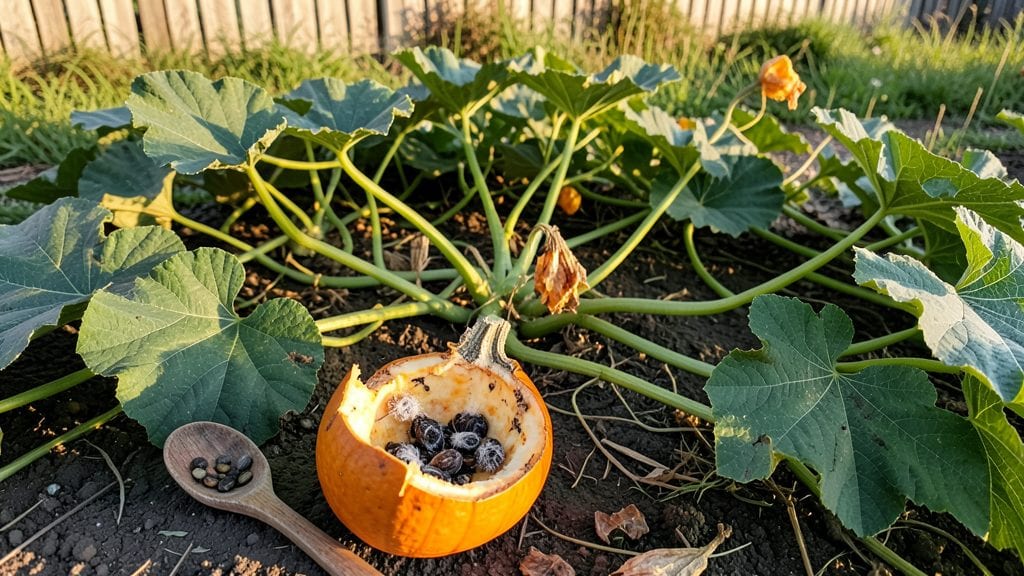
What do moldy pumpkin seeds look like?—they start with fuzzy green or black spots that spread like a creepy blanket across the shell. 🌱 I’ve seen seeds go from crisp and ready to plant to completely unrecognizable in just a few days—don’t let that happen. happen to yours.
The first sign is usually a slimy texture or a musty smell that hits you before you even see the damage.
Black mold looks like soot, while green mold resembles a tiny furry carpet. Some seeds may turn soft or even crumble when touched, a sure sign they’re no longer viable.
The good news? Spotting these early means you can still save your seeds if you act fast—just toss the affected ones and focus on the clean ones.
Preventing mold is easier than you think: dry seeds completely before storing, keep them in an airtight container, and store them in a cool, dark place. If you’ve already got mold, don’t panic—just discard the bad seeds and reset your storage game for next time.
This happens more often than you’d think, especially after harvesting or during humid summers. The key is catching it early, so your next batch stays fresh and ready to grow. Let’s make sure your seeds stay mold-free!
Root Causes Of Spoilage
Moldy pumpkin seeds don’t just appear out of nowhere—they’re the result of a perfect storm of environmental and storage factors. Understanding these causes helps you prevent future spoilage and keep your seeds safe for roasting or planting. Here’s why your pumpkin seeds might be turning fuzzy and slimy.
Pumpkin seeds are highly susceptible to mold when exposed to excess moisture, whether from humidity, condensation, or even improper drying after harvest. Here’s how it works:
- Water Activity (aw) Matters: Mold thrives when seeds have a water activity level above 0.65. If seeds are stored in a damp environment (like a basement or near a sink), condensation forms, raising their moisture content. Actionable fix: Aim for 10–12% moisture content or less—use a food dehydrator or oven (set to 160°F/71°C for 2–3 hours) to dry them thoroughly before storage.
- Condensation in Storage: Seeds packed in airtight containers (like jars) can sweat if moved from cold to warm spaces. The trapped moisture creates a microclimate perfect for mold spores. Actionable fix: Store seeds in breathable containers (e.g., glass jars with a loose lid or paper bags) or use silica gel packets to absorb excess humidity.
- Harvesting Too Soon: Pumpkins picked before full maturity retain higher moisture. Seeds from underripe gourds dry slower and stay damp longer, inviting mold. Actionable fix: Harvest pumpkins when their stems turn brown and dry—this ensures seeds are ready for drying.
Mold spores are everywhere—in the air, on surfaces, and even on the pumpkin’s skin. When conditions are right, they latch onto seeds and start growing. Here’s how:
- Spores Hitchhike: If pumpkins are washed or handled with damp hands, spores transfer to the seeds. Even a single spore can germinate into a colony if given warmth and moisture. Actionable fix: Clean pumpkins with a dry brush (no water) and sanitize cutting tools with 70% isopropyl alcohol before scooping seeds.
- Warmth Accelerates Growth: Mold doubles in size every 20–30 minutes at room temperature (70–80°F/21–27°C). Storing seeds in a warm pantry or near a stove speeds up spoilage. Actionable fix: Store seeds in a cool, dark place (ideal temp: 50–60°F/10–15°C) or refrigerate for long-term storage (up to 1 year).
- Seed Damage = Open Door for Mold: Cracked or bruised seeds have exposed starches, which mold enzymes break down for food. Actionable fix: Remove any damaged seeds immediately after drying—don’t store them “just in case.”
Even “perfectly” stored seeds can mold if left too long. Here’s why time is the enemy:
| Storage Method | Shelf Life | Risk of Mold |
|---|---|---|
| Room temperature (dry, dark) | 3–6 months | ⚠️ Moderate (humidity fluctuations) |
| Refrigerated (airtight, low humidity) | Up to 1 year | ✅ Low (stable conditions) |
| Frozen (vacuum-sealed) | Indefinite (if sealed properly) | ❄️ None (mold can’t grow below 32°F/0°C) |
| Humid or warm environment | 1–2 weeks | 🔥 High (ideal for mold) |
Actionable fix: If storing long-term, freeze seeds in airtight bags or use a desiccant packet in the container to prevent moisture buildup.
💡 Pro Tip: When in doubt, sniff your seeds. A musty or sour smell is your first warning sign—discard anything questionable. Prevention is easier than dealing with moldy seeds later!
Fixing and Preventing Mold in Pumpkin Seeds
Moldy pumpkin seeds can be a frustrating sight, but the good news is that you can take action to address the issue—and prevent it from happening again.
Whether you’re dealing with discolored seeds, fuzzy spots, or an unpleasant musty smell, these practical solutions will help you salvage what you can and keep your seeds safe for future use.
The first step is to act fast before mold spreads. Here’s how to clean up the problem:
- 👨🍳 Inspect and Discard: Carefully examine each seed.
Toss any that show: - Dark spots (black, green, or white) - Fuzzy or slimy textures (a sure sign of mold growth) - Musty or sour odors (trust your nose—if it smells off, it’s unsafe) - 🗑️ Separate the Good from the Bad: Use a clean bowl to sort through seeds, placing only the fresh, dry ones in a new container.
✨ Pro Tip: If mold has already spread to multiple seeds, it’s best to discard the entire batch—mold spores can contaminate the rest, even if they don’t look moldy yet.
Moisture is mold’s best friend, so controlling humidity and airflow is key to prevention.
- 🔥 Speed-Dry Seeds: If seeds feel damp, spread them out on a clean baking sheet and bake at 200°F (93°C) for 10-15 minutes (just until they’re completely dry).
Let them cool before storing. - 🏺 Use Airtight Containers: Store seeds in glass jars, resealable bags, or food-grade containers with silica gel packets to absorb moisture. - 🌬️ Keep Them Cool and Dark: Store seeds in a pantry or refrigerator (not the freezer unless long-term storage is needed).
Avoid humid areas like basements.
💡 Prevention Tip: If you’re drying pumpkins for seeds, cut them open and let them cure in a dry, sunny spot for 3-5 days before scooping out seeds. This reduces excess moisture before storage.
Even after removing moldy seeds, cross-contamination can happen. Here’s how to deep-clean:
- 🧽 Wash Containers Thoroughly: Scrub storage jars, bags, and utensils with hot, soapy water, then sanitize with a 1:10 bleach-water solution (1 part bleach to 10 parts water).
Rinse well and dry completely. - 🪫 Disinfect Surfaces: Wipe down countertops, cutting boards, and drying racks with vinegar or hydrogen peroxide to kill lingering spores. - 🌿 Avoid Wooden Tools: If you used wooden utensils (like spoons) to scoop seeds, replace them—wood absorbs moisture and mold.
🎯 Long-Term Fix: If you frequently store pumpkin seeds, invest in dedicated, non-porous containers (like glass) and label them with storage dates.
Once you’ve cleaned up, break the mold cycle with these habits:
| Cause | Solution |
|---|---|
| High Humidity | Use a dehumidifier or moisture absorbers near storage areas. |
| Poor Airflow | Store seeds in well-ventilated containers (like mesh bags with silica). |
| Old or Damaged Seeds | Roast and eat fresh seeds within 6 months for best quality. |
| Contaminated Seeds | Buy from reputable sellers and inspect batches before storage. |
🔥 Quick Fix for Roasting: If you’re unsure about seed safety, roast them at 300°F (150°C) for 10-15 minutes—heat kills many mold spores (though it won’t remove toxins). Just don’t overcook!
If mold keeps reappearing despite your best efforts, it may be time to reassess your storage methods. Chronic mold issues could signal:
- A damp basement or pantry
- Improper drying techniques
- Seeds already compromised at purchase
In these cases, upgrade your storage setup or switch to shorter-term seed roasting to avoid waste.
By following these steps, you’ll minimize mold risks and enjoy fresh, safe pumpkin seeds for roasting, snacking, or planting. Happy storing! 🌱💪
Frequently asked questions
Can you eat pumpkin seeds with just a little mold?
Never eat moldy pumpkin seeds, even if only a few are affected. Mold produces mycotoxins that can cause food poisoning. Toss any seeds with fuzzy spots, discoloration, or musty smells—better safe than sorry! Even small amounts can contaminate the whole batch.
What’s the difference between mold and discoloration?
Mold shows as fuzzy green, black, or white growth, while discoloration is just dull, brownish patches. If the seed feels slimy or smells bad, it’s mold. Simple discoloration might just be drying, but fuzzy spots mean discard immediately.
How do I know if my seeds are still safe to plant?
Safe seeds must be dry, firm, and free of any spots or smells. If they’re cracked, soft, or have even tiny mold spots, don’t plant them—they’ll likely rot in the soil. Always start with fresh, clean seeds for best germination.
Can I save seeds that have been in a damp container?
Only if you act fast! Remove seeds immediately, dry them at 200°F (93°C) for 10-15 minutes, then store in a sealed container with silica gel. If mold appears, discard the whole batch—drying alone won’t always kill spores.
Why do some seeds mold faster than others?
Thin or damaged seeds mold first—their shells offer less protection. Also, seeds from underripe pumpkins stay damp longer. Always harvest pumpkins when stems are fully brown and dry seeds completely before storing.