Trees
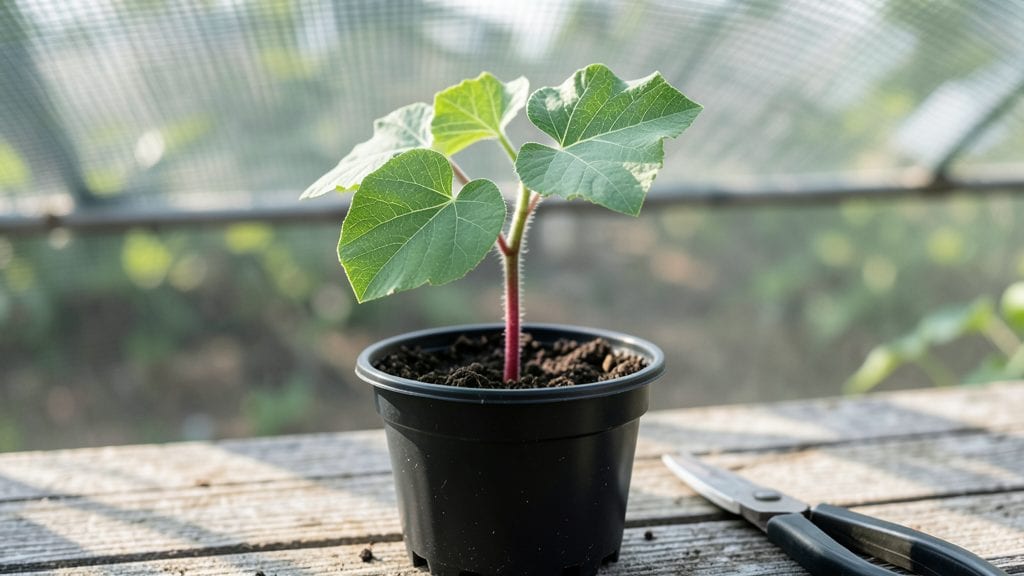
Mastering melon seedling identification early keeps you from yanking weeds or mislabeling your patch—those first true leaves reveal all. 🌱 I’ve spent years watching seedlings emerge, and the difference between a cantaloupe and a honeydew often comes down to leaf shape and stem texture.
A single glance at those first true leaves can tell you whether you've got watermelon, muskmelon, or even a confused cucumber plant trying to crash your garden.
The cotyledons (those first two baby leaves) look almost identical across melon varieties, but the third and fourth leaves reveal everything. Look for lobed edges on cantaloupe seedlings or the rough, hairy stems of watermelon—these are your clues.
I once mistook a butternut squash for a melon until I spotted those distinctive five-lobed leaves. Healthy seedlings also have sturdy stems that don't flop when you gently tug them, and leaves that feel slightly waxy to the touch.
You'll know you're on the right track when those first true leaves appear within 7-10 days of germination, followed by rapid growth that doubles in size every few days.
The key to transplanting is waiting until the seedlings have at least two sets of true leaves and a strong stem—this gives them the energy to recover from the shock. Once you've got them identified, you'll be harvesting sweet, homegrown melons instead of pulling up confused weeds.
This works for all melon varieties, from classic watermelons to delicate honeydews, and even helps distinguish them from squash or cucumbers. The same principles apply whether you're growing in a greenhouse or a backyard plot—just keep your eye on those leaves and stems.
Here's how to tell them apart for good.
Common Causes Behind Seedling Mix-Ups
Identifying melon seedlings correctly can feel like solving a botanical puzzle—especially when seedlings look eerily similar at first glance. But why do these mix-ups happen so often? The answer lies in a mix of genetic quirks, environmental factors, and human oversight.
Understanding these root causes helps gardeners and farmers spot errors early and take corrective action. Let’s break down the science behind the confusion.
Many melon varieties are hybrids—bred to combine desirable traits like disease resistance, sweetness, or early maturity. However, this genetic mixing can lead to unpredictable seedling traits.
- Inconsistent leaf shapes: Hybrid seedlings may inherit a mix of parental traits, resulting in leaves that don’t match the "standard" for either parent variety. For example, a cantaloupe hybrid might produce seedlings with serrated edges (like a honeydew) or deep lobes (like a muskmelon).
- Stem color and texture: Some hybrids revert to wild-type traits, such as hairy stems or purplish tinges, making them harder to identify. This is called genetic reversion.
- F1 vs. F2 generations: If you save seeds from hybrid melons (F1 generation), the F2 offspring can exhibit a wide range of variations, including unexpected leaf patterns or growth habits.
Pro Tip: 💡 Always check seed packets for hybrid labels. If growing from saved seeds, expect variability—don’t assume seedlings will match the parent plant!
Seedlings don’t just grow—they react to their surroundings. Stress during the early stages can alter their appearance, making identification tricky.
| Stress Factor | Resulting Seedling Traits | How to Prevent It |
|---|---|---|
| Temperature fluctuations (too hot or cold) | Stunted growth, darkened or yellowed leaves, or abnormal leaf shapes (e.g., curled or puckered). | Use a seedling heat mat (70–85°F) and maintain consistent moisture. |
| Poor soil drainage (waterlogged or compacted soil) | Pale, translucent leaves, weak stems, or root rot that stunts growth. | Use well-draining seedling mix (e.g., 50% peat, 30% perlite, 20% vermiculite). |
| Light deprivation (shaded or overcrowded trays) | Leggy, thin stems and small, pale leaves that resemble different varieties. | Provide 12–16 hours of grow lights or place trays in a sunny window. |
Pro Tip: ✨ Monitor seedlings daily for signs of stress. A magnifying glass helps spot subtle leaf differences caused by environmental factors.
Even the most experienced gardeners can accidentally swap seedlings—or fail to label them properly. Here’s how mistakes creep in:
- Mislabeling trays: If you plant multiple varieties in the same flat without markers, seedlings may get transplanted to the wrong spot.
- Seedling swapping: Thin seedlings too aggressively, and you might accidentally uproot the wrong one. Transplant shock can also make seedlings look "off" temporarily.
- Ignoring seed packet instructions: Some melon varieties (like Cucumis melo vs. Cucumis melo var. flexuosus) have subtle differences. Skipping prep steps (e.g., soaking seeds) can delay germination and alter early growth.
Pro Tip: 🎯 Use color-coded labels or a digital app (like Gardenate) to track seedling traits and planting dates. Take photos of each variety at the 2–3 leaf stage for reference!
Pests and pathogens don’t wait for maturity—they attack seedlings, altering their appearance before you can identify them.
- Fungal infections (e.g., Pythium, Fusarium): Cause yellowing, blackened stems, or stunted growth. Infected seedlings may resemble a different variety due to distorted leaves.
- Insect damage (aphids, spider mites): Sap-sucking pests leave speckled or curled leaves, mimicking nutrient deficiencies or genetic anomalies.
- Viral transmission (e.g., cucumber mosaic virus): Spread by aphids, viruses can create mosaic patterns on leaves, making identification nearly impossible.
Pro Tip: 🔥 Inspect seedlings under a hand lens for tiny pests or fungal spores. Quarantine new plants for 7–10 days to prevent spread.
Melons are heavily self-pollinating, but wind or insects can still mix pollen between varieties, leading to unexpected traits in the next generation.
- Unexpected leaf shapes: If a honeydew (smooth leaves) grows near a muskmelon (lobed leaves), cross-pollination can produce seedlings with hybrid leaf structures.
- Fruit characteristics: Even if seedlings look similar, their future fruits may vary wildly (e.g., striped rinds where none were expected).
Pro Tip: 🌡️ To avoid cross-pollination, space varieties at least 500 feet apart or use row covers during flowering. If growing multiple types, hand-pollinate with a paintbrush for control.
Fixing Common Seedling Confusion
Now that you understand the why behind misidentifying melon seedlings, let’s tackle the how—practical, step-by-step solutions to ensure you’re growing the right variety from the start.
Whether you’re dealing with stunted growth, odd leaf patterns, or just plain uncertainty, these fixes will help you correct the issue and prevent future mix-ups.
If your melon seedlings are too similar to distinguish, focus on these three traits first:
- 🌱 Leaf Shape & Texture
- Fix: Compare leaves side by side under natural light. Use a magnifying glass to spot subtle differences in serration (teeth along the edges) or vein patterns.
- Prevention: Label seedlings with small flags or toothpicks immediately after germination, noting the variety and date.
- 🌿 Stem Color & Hairiness - Fix: Run your fingers along the stem—some melons (like cantaloupes) have fuzzy stems, while others (like honeydews) are smoother.
Take a photo for reference. - Prevention: Keep a variety guide cheat sheet nearby while transplanting. Include stem color codes (e.g., "Watermelon = striped green stems").
- 🕰️ Growth Rate & Size
- Fix: Measure seedlings weekly. Slow growers (e.g., muskmelons) may need warmer soil; fast growers (e.g., watermelons) might be overcrowded.
- Prevention: Space seedlings according to mature plant size. Use a spacing chart like this:
| Variety | Seedling Stage Spacing | Mature Plant Spacing |
|---|---|---|
| Watermelon | 12 inches apart | 3–4 feet apart |
| Cantaloupe | 8 inches apart | 2–3 feet apart |
| Honeydew | 10 inches apart | 2.5–3 feet apart |
If your seedlings are yellowing, leggy, or wilting, act fast with these targeted fixes:
💧 Overwatering or Underwatering
- Fix:
- Too wet? Let soil dry 1 inch deep between waterings.
Use a moisture meter or stick your finger in the soil. - Too dry? Water deeply at the base (avoid leaves) and mulch with straw to retain moisture. - Prevention: Use self-watering pots or drip irrigation for consistency.
Test soil drainage before planting—if water pools after 30 minutes, amend with perlite.
☀️ Poor Light or Temperature Stress
- Fix:
- Move seedlings to a south-facing window or under grow lights (12–16 hours/day).
- If nights are below 50°F (10°C), use a seedling heat mat or cloche to protect tender sprouts.
- Prevention: Start seeds indoors 4–6 weeks before the last frost in your zone.
Use a seedling heat mat for faster, stronger growth.
🐛 Pest or Disease Damage
- Fix:
- Aphids/spider mites? Spray with neem oil (1 tsp per quart of water) or introduce ladybugs.
- Fungal spots (e.g., powdery mildew)? Remove affected leaves and treat with baking soda spray (1 tsp baking soda + 1 quart water + a drop of dish soap).
- Prevention:
- Rotate crops yearly to avoid soil-borne diseases.
- Water at the base (not overhead) to reduce fungal spores.
- 💡 Start with Certified Seeds
- Buy seeds from reputable suppliers (e.g., Baker Creek, Johnny’s Selected Seeds) that label varieties clearly. Avoid "mystery mixes" from garden centers.
- 🎯 Use Color-Coded Labels
- Assign each variety a color (e.g., red flags for watermelons, blue for cantaloupes) and match it to your notes. Add a small photo of the mature fruit for extra clarity.
- 🌡️ Monitor Soil Temperature
- Melon seeds won’t germinate below 60°F (15°C). Use a soil thermometer to ensure optimal conditions.
- ✨ Thin Early, Thin Often
- Remove weaker seedlings when they’re young (2–3 inches tall) to reduce competition. Use clean scissors (not pulling) to avoid disturbing roots.
- 📊 Keep a Garden Journal
- Note germination dates, transplant dates, and first flower dates for each variety. This helps track growth patterns and spot anomalies early.
Remember: The key to accurate melon seedling identification is observation + organization. Spend 10 minutes daily checking for subtle differences, and your harvest will thank you with bold flavors and fewer surprises!
Frequently asked questions about melon seedlings
How can I tell cantaloupe seedlings from honeydew seedlings at the early stage?
Look at the leaf edges and stem texture. Cantaloupe seedlings often have deeply lobed leaves with serrated edges, while honeydew leaves are smoother with rounded lobes. Cantaloupe stems may also appear slightly fuzzy, whereas honeydew stems tend to be smoother. Check the cotyledons too—cantaloupe's first true leaves usually emerge faster (7-10 days) than honeydew's.
Why do my melon seedlings look identical to cucumber seedlings?
Both belong to the Cucurbitaceae family, so they share similar early growth traits. The key difference is in the leaf shape and stem hairiness. Cucumber seedlings typically have smooth, heart-shaped leaves with fewer lobes, while melon seedlings develop more pronounced lobes. Also, cucumber stems are usually glabrous (hairless), whereas melon stems may have fine hairs. Check the seed packet for variety-specific clues.
What should I do if I accidentally transplanted the wrong melon variety?
Don’t panic! If you’ve already transplanted, focus on optimal care to help the plant thrive despite the mix-up. Give it consistent water (1-2 inches per week), full sun (6-8 hours daily), and balanced fertilizer (10-10-10 ratio). Monitor for pests or diseases, and if the plant struggles, consider replacing it with the correct variety. Keep detailed notes to avoid future mistakes!
Can I identify melon seedlings by their cotyledons (first leaves)?
Not reliably! Cotyledons look nearly identical across all melon varieties—they’re simple, rounded leaves that don’t reveal much. The real clues appear with the first true leaves (3rd and 4th leaves), which show distinct shapes like lobed edges (cantaloupe) or smooth margins (honeydew). Wait until these emerge before attempting identification. This usually happens within 7-14 days of germination.
How do I prevent my melon seedlings from getting tangled with weeds?
Start by using black plastic mulch or straw mulch around your seedling trays to block weed growth. Thin seedlings early (2-3 inches tall) to reduce competition, and label each variety immediately with color-coded tags. For outdoor beds, apply pre-emergent herbicide (like corn gluten meal) before transplanting, and hand-pull weeds weekly. Keep soil moist but not soggy to discourage weed seeds from germinating.